Full steam ahead to greener seas

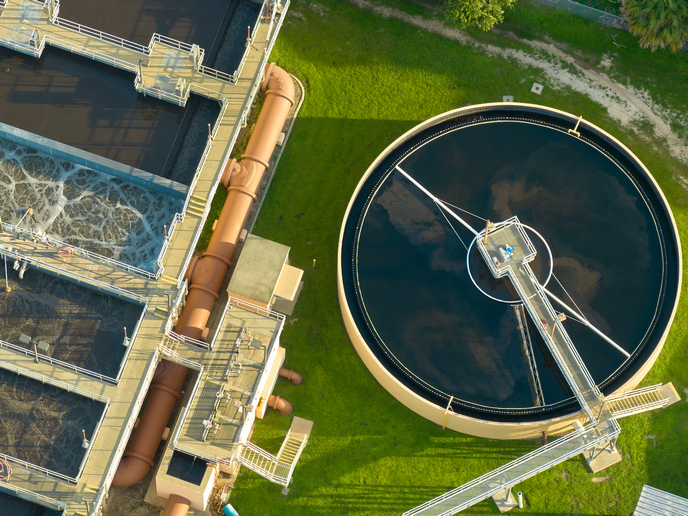
The jetting of ships with ultra high-pressure fresh water is currently the process by which hulls are cleaned. High-pressure water jets of up to 3000 bar are used to wash down the hulls, removing old paint layers, biological foulants and mineral deposits. This is necessary in order to keep the hulls smooth, allowing easy passage through water and keeping fuel consumption to a minimum. However, the process is both costly and damaging. The huge amount of clean water under pressure needed is expensive. After washing down the hulls, the water contains high concentrations of pollutants. Old paint from the hulls contains large quantities of heavy metals and other pollutants, known to bioaccumulate in sediments. The paints also contain tributyltin (TBT). Used as an antifoulant, TBT has been found to disrupt various species of aquatic life. The need to contain this toxic mixture in a closed system, treat it and then recycle it has been realised and is being addressed by project PI-WAMAS. Using CAD, a polyphase separator was designed, with optimised lamella and reactor geometry, by considering the flow, gravity and density of the particles in the wastewater and their size distribution. According to the working principle, fluid to be purified enters into the system. As it flows through, the solid sediment is separated out, collected and it then slides down a sludge funnel where it is thickened and extracted. It can then be disposed of safely. The remaining wastewater is further treated by separation of oil extracts through different outlets. Saving fresh water and reducing the environmental impact of dry dock operations, this must surely be one of the most promising developments in the shipping industry.