Keeping European foods pathogen-free

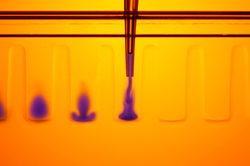
The EC-funded BACILLUS CEREUS project focused on ways to prevent Bacillus cereus poisoning throughout Europe. B. cereus can cause serious, and sometimes fatal, gastrointestinal episodes but its virulence is still only partly understood. Moreover, distinguishing between virulent and non-virulent B. cereus strain is still not possible. It is known that not all B. cereus strains are pathogenic, but those that are use mitochondrial toxins as the main carriers of virulence. The University of Helsinki developed novel diagnostic bioassays for the accurate and timely detection of such toxins. The B. cereus toxin cereulide is easily detected using this method, which can distinguish between mitochondrial toxins and other types. The researchers are seeking to form development collaborations with interested parties in the field of bioassays. B. cereus strains that can produce the toxin cereulide are available for research purposes as are chemical assays relating to the toxin.