Leather industry gets guidance on waste management

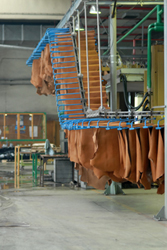
Through an EU initiative, support is available to the scientific community in order for it to contribute new research on renewable energies and waste management. The leather industry has largely been overlooked in this objective because of the peculiarities of the biomass produced as a result of the tanning process. The research project MOND turned its attention to pulling down the barriers to the implementation of renewable energy resources within the EU leather sector. It set out to provide access to technical knowledge on how energy recovery and reuse can be achieved. Project partners created a database which outlined information on suitable technologies for treating the chromium containing waste produced by the leather industry. It is hoped that interested parties, such as European tanners, will view this database with interest, as it provides a means for them to reduce operational costs and become more efficient. This is especially important because of the strength of international competition. Furthermore, it is hoped that this project provides exposure to a new technology market opportunity within the EU target sector and that EU technology providers initiate action to fill this market gap. The results of rigorous testing have shown that gasification was selected as the preferential method for accommodating the waste stream. This is principally because the gasification method has the potential to recycle chromium from the inert product ash resulting from the process.