Greening the future of European transport

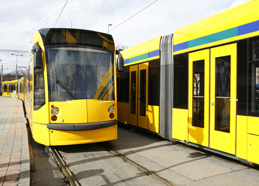
Transport of persons and goods accounts for a significant amount of greenhouse gas (GHG) emissions across the globe. Green technologies exist that can reduce the ecological footprint of transport, but uptake has been slow going. A team of researchers from leading academic and industrial organisations joined forces to instil momentum in the green transport movement. The project, titled 'Identification and assessment of training needs, methods and activities for the wider use of environmental technologies in key sectors' (ETTAR), received funding from the EU. The aim of ETTAR was to increase awareness of how the environmental performance of transport, including road, rail, air and sea, can be improved. The approach involved gathering together all relevant stakeholders under the same roof to take part in an open discussion. Documentation was prepared in advance of the events to provide background information to the participants. This facilitated efforts to identify obstacles to the adoption of green solutions and resolve potential ways forward. A final conference was arranged in Brussels that was attended by senior executives from several major European corporations. The event included a live performance titled 'What's in the way: Classical weaknesses of the transport industry' (which is now available on DVD). The conference findings were transformed into a brief designed to drive policymaking at the levels of the EC and Member States. Another important ETTAR achievement was an e-learning tool that highlights the potential financial gains associated with implementing green transport technologies. The tool targets logistics managers, in particular those involved in freight. While some companies are voluntarily taking steps to reduce the emissions associated with their core business, regulatory instruments may be necessary to encourage wider adoption. The ETTAR team also recommends that pricing of transport services must be changed to account for the true environmental cost of each mode of transport. This will ensure that a solid business case can be made for environmental sustainability versus the traditional way of doing business.