Moving towards the elimination of antibiotic resistance


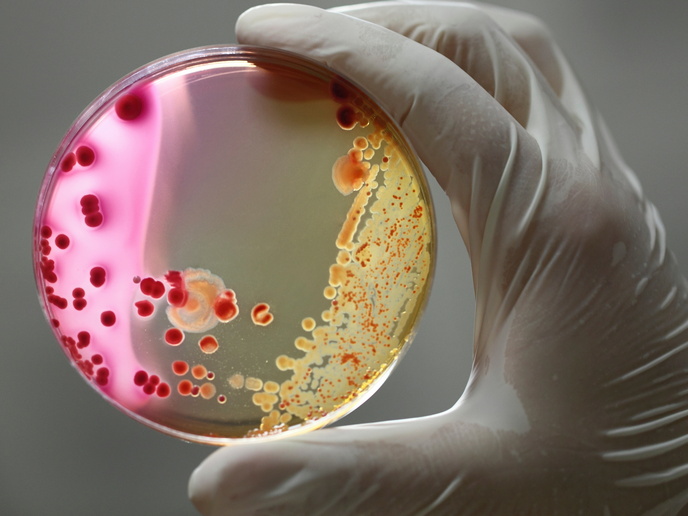
The widespread use of antibiotics plays a significant role in the emergence of resistant bacteria. Before the extensive use of antibiotics there were only few pre-existing antibiotic-resistant bacteria. Evolutionary pressure from their use has shaped the development of multi-drug resistance (MDR) strains and its spread between bacterial species. The EU-funded COBRA project aimed to elucidate the resistance mechanisms involving inhibitors of cell wall synthesis. This research used both gram-positive and negative bacteria responsible for several nosocomial infections, including Enterobacteriaceae, Pseudomonas aeruginosa, Staphylococcus aureus and Streptococcus pneumonia. The vast majority of the mechanisms of resistance studied were either natural or acquired due to the massive consumption of antibiotics. In addition, specific mutations that lead to antibiotic resistance were created and characterised in depth, as a preventative action. Moreover, COBRA researchers investigated resistance mechanisms associated with modifications of target proteins, enzymatic inactivation and decreased permeability. COBRA results shed light on different aspects of bacterial antibiotic resistance. Known and novel enzymes involved in the biosynthesis of bacterial cell wall were characterised in fine detail, enlightening new alternative pathways crucial for the development of resistance. The structure and function of several penicillin-binding proteins were elucidated such as transpeptidases that are involved in the synthesis of the bacterial cell wall. %Scientists also identified and characterised many new beta-lactamases, the basis for the beta-lactam antibiotics like penicillin, cephamycins and carbapenems. clinical studies will be facilitated and potential targets will be further evaluated to find an effective solution to antibiotic resistance.