Towards more effective embryo implantation

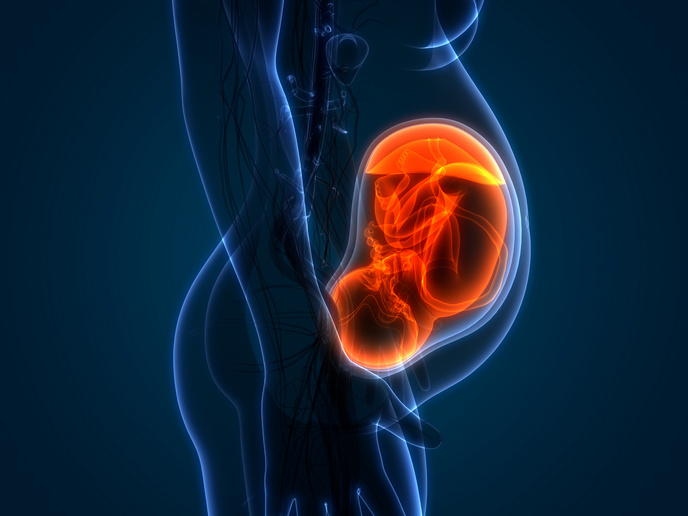
Female infertility is a frequent phenomenon nowadays with nearly 30 % of women presenting with problems in getting pregnant or maintaining the embryo. As a result, the majority resort to assisted reproductive technologies which are, however, expensive and with a low implantation success rate. In order to improve these methods, greater understanding of the reasons and mechanisms underlying female sterility and embryo implantation is required. To this aim, the EU-funded EMBIC project developed a virtual laboratory to understand 'the implantation window'. Foetus implantation at the endometrium involves intensive tissue remodelling in the uterus, and de novo organogenesis on the foetal side by the formation of the placenta. EMBIC scientists were concerned with key events in tissue remodelling and the role of the immune system in implantation, including the presence of cytokines, the complement of natural killer cells as well as the recently identified progesterone-induced blocking factor (PIBF). The information obtained on the uterine immune network would help develop specific diagnosis and therapeutic tools against embryo rejection tailored to each patient according to the dysregulation causing her infertility. Also, understanding early embryo signalling would ultimately allow selection of only those embryos capable of implantation. EMBIC greatly facilitated the formation of integrated platforms for investigating and managing female infertility. Project findings are expected to aid the design of novel assisted reproduction methods and improve the poor statistics observed with existing techniques.