How green infrastructure can grow economic and climate resilience



Urban environments face a range of climate impacts, many of which can compound one another. “Many cities have dense built-up areas, sealed surfaces and traffic pressure, which increases heat stress, worsens air quality and reduces biodiversity,” explains Upsurge(opens in new window) project coordinator Ksenija Napast, from Slovenia’s E-zavod(opens in new window) development institute. Cities also face specific governance and adaptation implementation challenges, as beyond building infrastructure, they also need to secure data, financing, long-term maintenance, public acceptance and clear ownership. The Upsurge project brought together citizens, public officials, researchers and local organisations to address these challenges through nature-based solutions (NbSs), digital tools and governance frameworks, recasting urban spaces as sites of environmental regeneration.
Trialling nature-based solutions
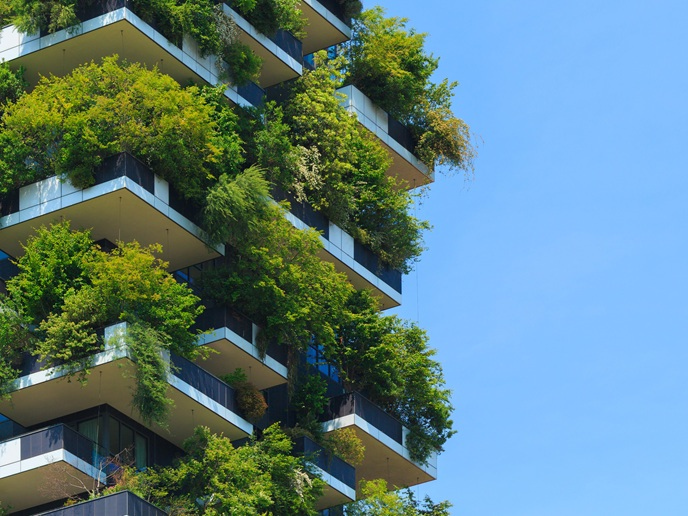
Upsurge successfully demonstrated a range of solutions across five European cities. “The project brings together knowledge, tools and experiences to help cities select, plan and implement locally adapted NbSs for regenerative urban development,” adds Napast. In Belfast, United Kingdom, Upsurge transformed neglected land into a community agroecology garden, restoring soils and boosting biodiversity. It also provided educational activities and fostered new social connections in the community. In Breda, the Netherlands, a 1960s neighbourhood was regenerated with high-biodiversity rain gardens, trees and bioswales which help combat severe heat stress, capture intense stormwater run-off and filter out pollutants. This pilot serves as a real-life ecological testbed for driving Breda’s transition into a climate-resilient ‘City in a Park’. In Maribor, Slovenia, new green corridors and blue infrastructure were established along fragmented neighbourhoods, with ecological and community benefits. And in Budapest, Hungary, rain gardens and a green wall were built to reduce stormwater run-off, support biodiversity and improve the local urban climate. In Katowice, Poland, Upsurge’s demonstration site deployed green bus stops, vertical gardens, pollutant-absorbing walls and other NbSs to reduce run-off, helping to control flooding, reduce exposure to traffic-related emissions and relieve urban heat island effects.
Paving the way to urban regeneration for social and economic benefits
Upsurge is built on the quintuple helix model, a principle that brings together universities, businesses, local governments, citizens and the natural environment itself. This broad approach recognises that NbSs can deliver benefits beyond urban greening, including jobs and economic opportunities, particularly in underserved neighbourhoods. Upsurge explored this potential by working with business partners to develop and test innovative business models and financing mechanisms for NbSs. The collaborative model was implemented across all sites by pairing active community participation with high-tech environmental sensors. By involving local residents in the design and planning, while simultaneously tracking real-time data on air and water quality with the sensors, the model ensured these green spaces were both shaped by the community and scientifically robust. For example, the project’s Citiair app(opens in new window) was deployed across all demonstration sites, giving citizens access to real-time data on air quality in their cities and the ability to report environmental problems. The Upsurge Storymap(opens in new window) presents the results across the demonstration cities. “This makes the results understandable not only for experts, but also for stakeholders and the wider public,” notes Napast. By showcasing NbS innovations that are exportable and scalable, and grounded in participatory governance, Upsurge gives European cities and service providers the evidence, tools and options they need to develop climate resilience solutions of their own.