Accelerating transformational climate adaptation in Europe


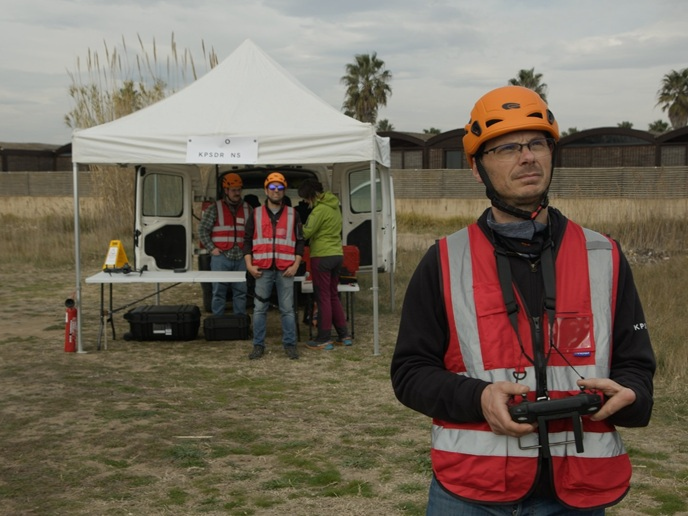
Transformational adaptation is an approach that aims to reduce the impacts of climate change on people, the economy and the planet through deep and systemic changes. Gathering 22 partners from 11 countries, the TransformAr(opens in new window) project drew on successful existing initiatives to develop, test and demonstrate climate solutions(opens in new window) and pathways across six locations with varying needs. “We tested 20 adaptation solutions practically at the local scale, focused on water-related challenges such as drought, flood and sea level rise,” explains project coordinator Jan Cools from the Institute of Environment and Sustainable Development at the University of Antwerp(opens in new window) in Belgium. Interventions such as stormwater control, microclimate weather stations, and maritime monitors were validated through demonstrators and Living Labs, while financial mechanisms were developed to accelerate investments in these solutions.
Supporting local communities and their economies
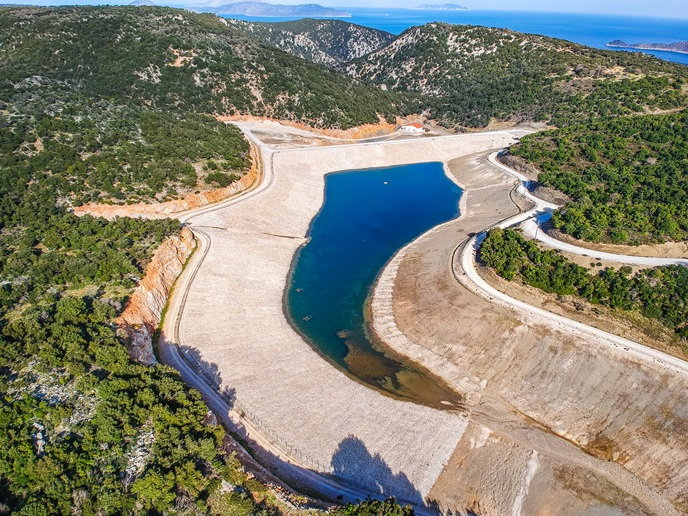
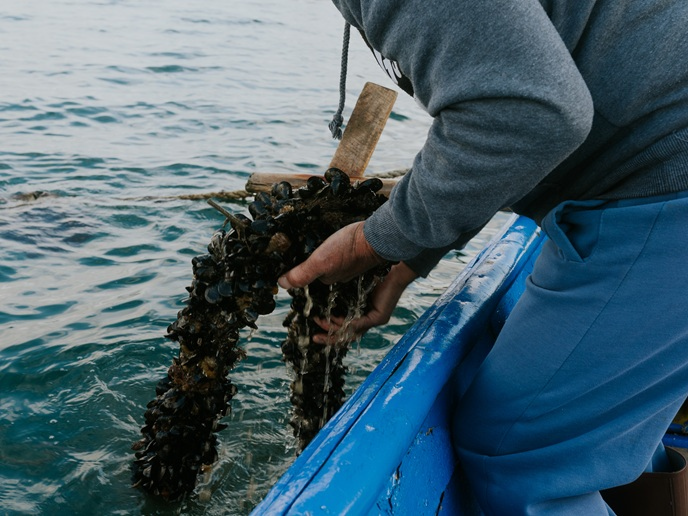
In the Caribbean, TransformAr developed and piloted the Guadeloupe Adaptation Fund(opens in new window) (FLAG). This delivered investment to six climate resilience projects tailored to local contexts, including water management, flood defence, vanilla cultivation and pig farming. In Galicia, Spain, rising temperatures and declining water quality threaten mussel aquaculture. TransformAr supported three adaptation solutions centred on water monitoring(opens in new window), helping to anticipate environmental changes, support evidence-based adaptive management, and strengthen the competitiveness of local businesses and communities. Further interventions tested include weather monitoring and youth training in Greece, stormwater biofiltration in Finland, and coastal defence in Sardinia.
Boosting demand for nature-based solutions
Through its demonstrators and strong cooperation established between local authorities, researchers, stakeholders and citizens, the project fostered both awareness of and demand for nature-based solutions (NbSs). “Local decision makers got to know experts they could approach for advice tailored to their specific context, and to discuss practical solutions,” Cools says. As a result, new NbSs are being implemented in the Azores, Czechia, Finland and Norway. The project also explored an investor-friendly mechanism that bundles solutions with financing. For example, a brokerage service in the United Kingdom links companies looking to offset their climate impacts with farmers who can implement NbSs. “Companies on their own wouldn’t immediately know how and where to offset, while farmers may not automatically invest in NbSs if there is no demand for it,” adds Cools.
Building the economic case for climate resilience
The project, funded under the EU Mission on Adaptation to Climate Change(opens in new window), also assessed the economic impacts of global warming to find that unchecked climate change could cut EU-wide gross domestic product (GDP) by up to 1.43 %, with losses close to 2 % in southern Europe. “Climate adaptation is not an expense, but a critical investment to protect our GDP, employment and productivity,” notes Cools. The researchers developed a policy brief on monitoring climate adaptation initiatives(opens in new window), and an accessible visualisation of European climate impacts(opens in new window), for both historical and projected future scenarios across key areas: socio-economic, health, water and agricultural. TransformAr has led to several spin-off projects, including SystR, which aims to boost systemic resilience across Europe, BALTFLOODS(opens in new window), on flood preparedness in the Baltic Sea, and DesirMED, which supports NbSs across the Mediterranean.