


Commission gives 'qualified welcome' to adoption of pharmaceutical legislation by the European Parliament
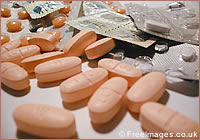
The Commission has welcomed the European Parliament's decision to adopt new proposals for Europe's pharmaceutical legislation, but 'regrets' their refusal to accept one key element in the document. In a plenary session in Strasbourg on 23 October, MEPs approved the proposals with the addition of a number of amendments. One of the amendments rejected the Commission proposal to allow a pilot scheme whereby manufacturers would provide authorised information to patients on new drugs to treat diseases such as AIDS, asthma and diabetes. MEPs had previously voiced concerns that such a move would lead to the advertising of pharmaceuticals, which is the case in the US. In his response to the Parliament's decision, Erkki Liikanen, EU Commissioner for Enterprise and the Information Society, said: 'I welcome today's vote by the European Parliament as it brings us closer to the final adoption of this comprehensive reform package. I regret that [Parliament] rejected our proposal to allow patients suffering from AIDS, asthma or diabetes to be able to get information on medicines used to treat these diseases from the pharmaceutical companies who make them.' The Commissioner went on to add: 'Our proposal would not allow non-solicited advertising for such medicines, [but] ensure that the information for which there is a strong demand is available to all Europe's patients, that it is correct, appropriate, and authorised by the European Medicines Evaluation Agency.' The Commission included the proposal because it felt that the proliferation of information on medicines from the US available on the Internet was becoming a concern, as some drugs have the same name as others in Europe, but are not identical. There is also a great deal of useful information available in English, but not in other European languages. On the issue of patent protection, MEPs accepted the Commission position that ten years was a sufficient period for pharmaceutical innovators to profit financially from their research and development, after which, other companies would be free to produce cheaper, generic products to the benefit of citizens. Both sides saw this as the ideal balance between promoting innovation and competitiveness within the pharmaceutical industry, whilst delivering the best possible cost benefits to patients. There is, however, provision for the possible extension of the protection period by one year in certain circumstances. In another section of the legislative proposals, the Parliament cleared the way for a new centralised authorisation procedure for medicines, to be administered by the European Medical Evaluations Agency (EMEA). Further amendments were included, though, including a call for greater access by consumers to information on new drugs. As part of the co-decision procedure, the proposal, along with the amendments made by the Parliament, will be discussed at a meeting of the Council of Ministers who will try and devise a compromise that both the Commission and Parliament can agree on. Mr Liikanen sounded upbeat about the chances of that happening in the coming months, saying: 'I am looking forward to continuing our discussions with Member States and the European Parliament on this issue and hope that we can reach an agreement.'