


Potocnik calls for improvements to ethical procedure for stem cell research
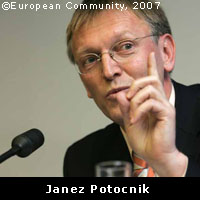
EU Science and Research Commissioner Janez Potocnik has called on the European Group on Ethics in Science and New Technologies (EGE) to provide an opinion on how to improve the current ethical procedure for human embryonic stem cell research. In 2000, the EGE provided an opinion which formed the basis of strict ethical guidelines set up in the Sixth Framework Programme (FP6) to deal with human embryonic stem cell research. 'This opinion was shown to be appropriate as it permitted the Commission to implement the funding of this research in a way that proved to be acceptable to the majority of the scientists, but also importantly to the majority of the Members States, as illustrated by the 100% success agreement obtained for the funding of such research submitted on a case by case basis for their approval,' Mr Potocnik told members of the EGE at a meeting in Brussels on 12 February. Although strict and at times cumbersome, the Commissioner pointed out that the ethical procedure has shown itself to be very effective. But with FP7 now up and running, Mr Potocnik said it was time to review the procedure and called on the EGE to provide an opinion on the implementing measures required during the ethical review in the framework of the current system. 'There are many aspects of the procedure that are currently not set out in details and where your guidance will be much valuable,' he remarked. As in FP6, funding of embryonic stem cell research will continue on a case-by-case basis. Certain areas will not receive any funding under FP7. These include human cloning for reproductive purposes, research intended to modify the genetic heritage of human beings which could make such changes heritable, and research intended to create human embryos solely for the purpose of research or the purpose of stem cell procurement. Each project proposal under FP7 will be subject to a strict ethical review, and the rules of each country involved in a project will always be respected. 'Your opinion on this would be extremely important in view of improving the quality, the scrutiny, the accuracy and the transparency of the procedure followed by the Commission to fund this research, and which has to uphold the highest standards of quality and ethical safeguards,' commented the Commissioner. 'The better our procedures and rules (meaning also really safeguarding without undue bureaucracy), the more chance there will be that this inspires the rest of the world,' he said.