


EU supports development of Global Species Information System
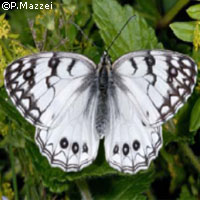
What species live on Earth? How can they be distinguished? And how do they respond to change? All these questions and more are the focus of the newly launched SpeciesBase project, supported by the European Union in partnership with scientists from the US, Australia, Brazil, India and South Africa. Millions of species form our living environment and provide us with the oxygen, food, medicine and other services on which our survival on planet Earth depends. The project will aim to create a Global Species Information System to answer questions about life on Earth and provide access to these in a standardised and comprehensive format on the internet. 'Improving and using our understanding of life on Earth are major challenges of the 21st century. A precondition to the understanding of life is free and easy access to all existing knowledge and expertise about all species. What is needed is an authoritative, public, international and global information system on all species on Earth, where key information is structured such that it can be used for scientific analysis as well as for informing the public,' reads a statement from the project. The objective of the SpeciesBase project is not only to be a valuable source of information for scientists, providing information on growth rates, fertility, environmental tolerance and genetic data. It will also aim to provide the public with photos, maps and information on European flora and fauna in several European languages. Users will also be able to supplement the information from experts with their own observations. SpeciesBase will be modelled on FishBase, the most successful biological information system, which attracts two million visitors a month and gets regular citations in scientific literature. The information about species is important for researchers, policy-makers, land managers, farmers, conservationists and many other groups in society, as well as the general public. Knowing what species exist, where and how they live, how they grow and interact, helps scientists to understand patterns of change, and provides information on how we can change our behaviour to support the Earth's fragile biodiversity. The initiative is part of the follow-up to the G8 ministerial meeting on biodiversity, held in Potsdam in March 2007.