


Galileo Masters competition enters new round
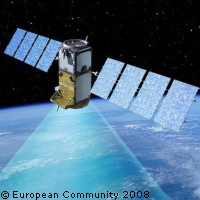
With Galileo, the European satellite navigation system, receiving the green light, the race is on to develop a whole range of new navigation applications and services. This is where the recently launched 'Galileo Masters' European Satellite Navigation Competition (ESNC) comes in. The competition, now in its fifth year, is open to companies, entrepreneurs, research institutes, universities and individuals, and awards the best ideas for innovative satellite navigation applications. This year, prizes will include a Special Topics award for the most promising geostationary navigation application. The winners will be announced in October. Participants can enter their ideas into a secure online database between 1 May and 31 July. Afterwards, the entries will be evaluated by panels of experts from all regions and the expert panels of the special topic sponsors. In September, an international panel of experts will select the overall winner. 'Galileo will be a reality,' said Hubert Reile of the German Aerospace Centre (DLR), one of the ESNC sponsors, at the launch of the competition in Starnberg, Germany. 'It will create 150,000 new jobs in Europe alone. This is truly the right time for the Galileo Masters competition. It represents a market for new and innovative ideas in one of today's most attractive growth sectors.' The Special Topics award is dedicated to the European Geostationary Navigation Overlay Service (EGNOS), Europe's first venture into satellite navigation. 'The superior accuracy and integrity of EGNOS will make possible a whole new range of applications and services, limited only by our imagination' explained Pedro Pedreira, executive director of the European GNSS Supervisory Authority (GSA). 'This first new European satellite navigation infrastructure has reached major milestones and will soon be fully operational, and we believe now is the time for innovators and entrepreneurs from all over Europe and the world to seize the opportunity.' EU transport ministers had approved the EGNOS and Galileo implementation plans on 7 April at the Transport, Telecommunications and Energy Council meeting in Luxembourg. On 8 April, the European Parliament's Industry (ITRE) Committee, too, gave the go ahead after the role of the GSA as set out in the European Commission's proposal had been revised and laid out more clearly. The compromise package achieved an almost unanimous vote in the committee and is scheduled for vote in the Strasbourg plenary later in April. The budget for the implementation of the entire European satellite navigation programme, including EGNOS and Galileo, amounts to €3.4 billion between now and 2013. The European Commission, in cooperation with the GSA and the European Space Agency (ESA), is charge of the establishment and operation of the programmes. The Council of the EU and the European Parliament, on the other hand, will hold political control of the project with the assistance of the Galileo Interinstitutional Panel.