Naturally occurring protein set to fight both inflammation and infection in sepsis

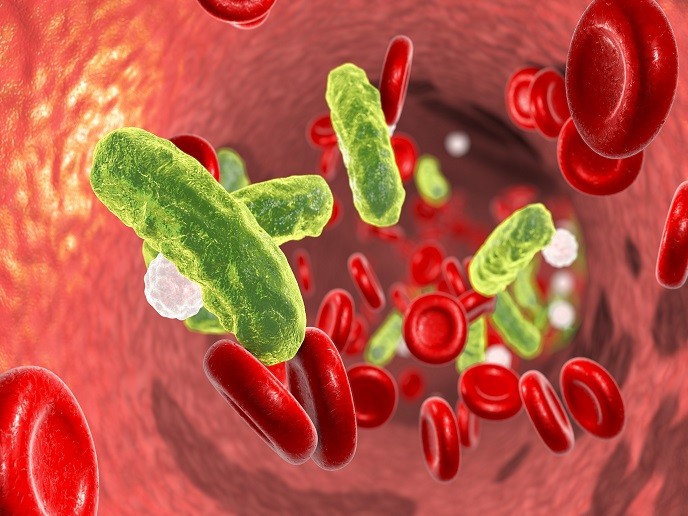
Sepsis is a major life-threatening condition caused by bacterial or fungal infections leading to cardiovascular collapse (septic shock), multi-organ dysfunction syndrome and death. Amidst concerns about antimicrobial resistance and timely treatment of sepsis and its diagnosis, development of an alternative wide-spectrum therapeutic strategy would be a considerable asset in the clinic.
Double action key against sepsis threat
As coordinator of the SEPSCAV project(opens in new window), the start-up company Sepsia Therapeutics SL is developing a peptide anti-sepsis drug, SIXTIDE. Based on the protein human scavenger receptor CD6, the potential new drug is proven to protect mice from death in experimental sepsis in a time- and dose-dependent manner. Project coordinator Marcos Isamat points out: “Our immediate goals for the SEPSCAV project were to validate both the production of our drug candidate and its dual effect on sepsis recovery in vivo, as we believed it could act on the infection and inflammatory reaction at the same time.” In parallel, the team wanted to check other important aspects of drug discovery such as toxicity and in-body kinetics in mice.
Clinical and commercial success in parallel
The team are aware that they were dealing with a potentially break-through drug candidate for sepsis with a massive market ahead, and that comparable drug candidates being developed elsewhere have a more limited action. “Coupled with this is the validation of the activity of our product, its lack of toxicity and its bacteriostatic behaviour, preventing bacterial growth, devoid of multiple drug resistance issues, a major world concern,” adds Isamat with enthusiasm. As for the business plan, it has to take two routes. Reasons for this are that clinical trials in drug development imply huge resources that may be far from the current capacity of a small start-up company. “We envisage, first, a business-to-business, B2B, approach, through licence to a big pharma for clinical trials while keeping production as an alternative to, a second, a business-to-consumer, B2C, strategy only feasible if significant investment is at hand for the trials.” One very important result has been the commitment of two industrial partners, a peptide manufacturer and a pharma company to support business developments. Moreover, Sepsia Therapeutics holds the intellectual property rights on the use of CD6 and its derivatives in the treatment of infection and inflammation disorders.
Challenges overturned and on to the future
SEPSCAV is working towards administration of the developed drug in injectable form. However, previous studies had been carried out with a vehicle that is not recommended for its eventual use in humans. “We needed to take some time to optimise our drug vehicle which proved more difficult than originally expected,” Isamat explains. Post-project, the group have a very busy schedule. Isamat outlines: “Now we need to collect further preclinical data for submission for clinical trial authorisation by the European Medicines Agency and establish hospital partnerships.” Sepsia Therapeutics also propose use of the product in ex vivo medical devices such as ‘blood cleaning’ cartridges, important in acute phases of septic disease. “We are contacting industrial partners in the blood dialysis sector for future manufacturing,” he adds.