Science-based tools support tailored optimisation of bio-based fertilisers

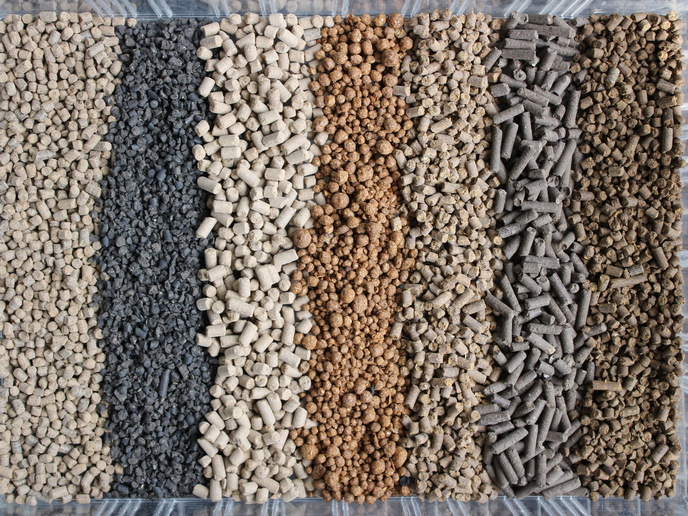
Phosphorous and nitrogen are plentiful in under-utilised, nutrient-rich organic waste streams including manure, sewage sludge, biowaste and food industry by-products. Recovering waste nutrients for use in BBFs is a promising alternative to conventional ones. However, the efficiency and safety of BBFs vary depending on feedstock, production technologies and growing conditions. The EU-funded LEX4BIO(opens in new window) project set out to realise the potential of BBFs. The project delivered the knowledge base needed to maximise the agronomic efficiency of BBFs while ensuring safety across food, human health and environmental dimensions. It also provided recommendations to translate this knowledge into policy frameworks for a circular bioeconomy.
Evaluating agronomic efficiency and safety across Europe
The LEX4BIO project evaluated 84 BBFs, spanning commercially available products and promising future production technologies leveraging resources such as struvites, biochar, compost and ash. Both nitrogen- and phosphorous-based BBFs were selected for two-year field trials across northern, central and southern Europe, assessing fertilisation value and safety. “The fertilisation value of most BBFs, especially phosphorous-based ones, was comparable to that of mineral fertilisers,” says project coordinator Kari Ylivainio of the Natural Resources Institute Finland (Luke)(opens in new window). Solid and carbon-rich BBFs such as compost and biochar also had positive effects on soil organic carbon content, supporting carbon sequestration and delivering long-term soil health benefits that mineral fertilisers cannot match. Concentrations of harmful substances – including pharmaceuticals, pesticides, heavy metals and persistent organic pollutants – were generally far below EU Member State benchmarks. The majority demonstrated a clearly beneficial environmental effect and lower CO2 footprint than conventional mineral fertilisers, reinforcing their role in a circular bioeconomy built on waste recycling and nutrient recovery.
Unique insights on BBFs and production technologies
The project found that phosphorous fertilisation should be based on specific crop requirements – requiring more standardised soil testing methods across Europe – to minimise environmental losses. “Although phosphorous-based BBFs were often less soluble than mineral counterparts, they showed a beneficial side effect – reduced phosphorous leaching and lower eutrophication risk in surface waters, helping to close the circular nutrient cycle,” Ylivainio explains. Production technologies emerged as a critical variable, having a large impact on both fertilisation value and nutrient losses. “As new production technologies emerge, their potential impacts should be carefully evaluated from an environmental perspective under various growing conditions, particularly for organic BBFs,” notes Ylivainio. Carbon-depleting processes should be used only where necessary to eliminate pollutants and pathogens. This will preserve the carbon sequestration potential of organic BBFs and maintain the integrity of the nutrient cycle from waste to field.
Toolkit and policy framework support a circular bioeconomy
The central deliverable of LEX4BIO is a holistic, science-based toolkit for optimising BBF performance, safety and environmental impact across the full lifecycle – covering non-renewable energy use, greenhouse gas emissions and life-cycle assessment indicators. Compliance methods for both nitrogen and phosphorous BBFs help farmers optimise application and minimise losses, since soil properties and application approaches significantly influence nutrient use efficiency and environmental outcomes. In addition to optimisation that considers specific crop requirements and production technologies, dedicated policy support will be necessary to replace mineral fertilisers with BBFs at scale. LEX4BIO has made recommendations to reduce production costs and improve nutrient management, addressing persistent regional phosphorous imbalances across Europe and fostering greater agricultural resilience. “Optimising the use of BBFs according to specific crop requirements can minimise negative environmental impacts, improve carbon sequestration and soil health, and increase agriculture profitability,” summarises Ylivainio.