Developing knowledge-sharing networks to boost agroforestry practice and policy

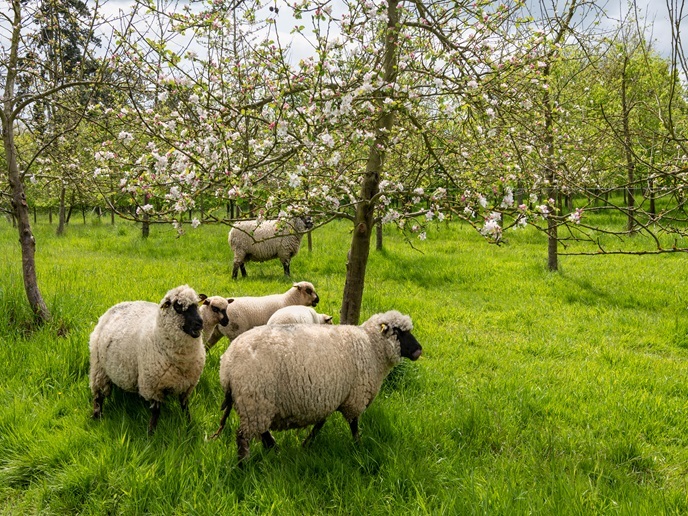
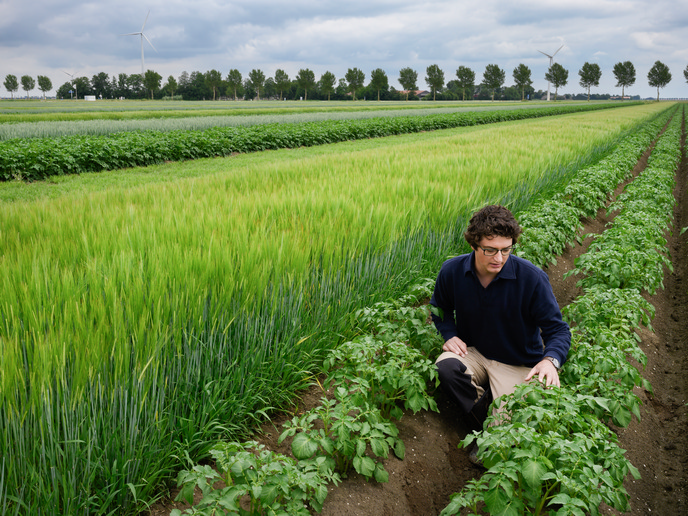
Agroforestry is a traditional farming practice in which animals, crops and trees are integrated on the same land. Agroforestry can not only boost food production but also improve rural habitats, provide ecosystem services such as improving soil health, and bring further benefits to biodiversity. This sustainable agricultural approach has seen a recent resurgence in interest both in Europe and elsewhere in the world. Yet a lack of understanding, practical expertise and scalable business models is slowing its implementation. In the AF4EU(opens in new window) project, a research consortium made up of 12 partners across 10 countries is promoting the use of agroforestry through the development of knowledge-sharing networks. AF4EU aims to put European agriculture in a new direction, becoming more resilient and sustainable in line with the broader environmental, ecological and climate goals, while ensuring economic benefits to farmers.
How agroforestry can boost biodiversity
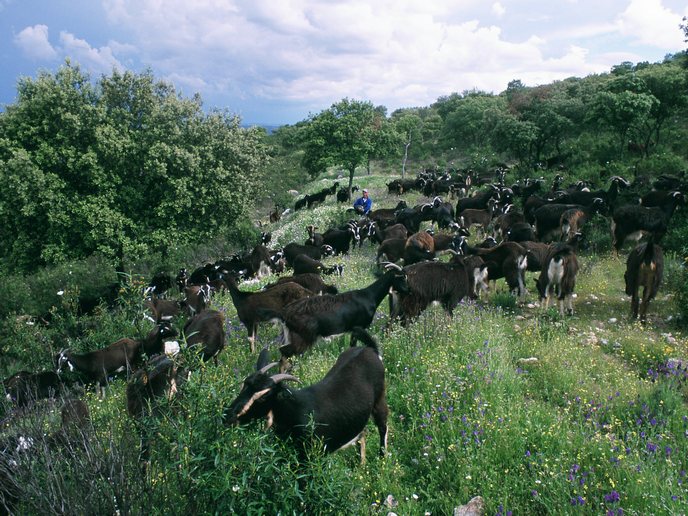
One example of agroforestry explored in the project is forest grazing, a traditional form of farming from Finland in which sheep graze in the forest. This system helps to maintain rural habitats and brings biodiversity benefits. In the United Kingdom, apple orchards were planted with rhubarb(opens in new window), a perennial shade-tolerant crop that controls weeds, and increases biodiversity and pollinator populations. Belgian farmers are also experimenting with hedgerows, which give animals necessary nutrients and minerals in a natural way, rather than through supplementation with other feed types, while supporting wildlife such as birds and hedgehogs.
Expanding agroforestry knowledge networks
To foster sustainable agroforestry solutions, AF4EU built on the network of knowledge hubs set up by predecessor project AFINET, known as Regional Agroforestry Innovation Networks(opens in new window) (RAINs). RAINs comprise groups of researchers, farmers and other key stakeholders who can share knowledge, experiences and challenges related to agroforestry. Each RAIN features an ‘innovation broker’, a person who can translate recent research to the farmers, while passing on the needs of farmers to relevant researchers. AF4EU established eight new RAINs, in Belgium, France, Germany, Greece, Ireland, Portugal, Slovakia and Spain. All RAINs are connected through the innovation brokers. The project also developed the AF4EU Knowledge Platform(opens in new window) to further improve knowledge sharing and capacity building across the EU. The platform acts as a central hub for agroforestry information, and includes best practices, business model analysis along with massive open online courses (MOOCs) on agroforestry.
Integration with key European policies
Another major aim of the project was to bring agroforestry into line with other European policies, including the European Green Deal(opens in new window). In November 2025, AF4EU hosted a session at the European Parliament(opens in new window), highlighting the role of agroforestry in supporting these strategies. This high-level policy event involved European policymakers, international experts and researchers to discuss how best to integrate innovations from agroforestry into European farming. By showing the economic viability of agroforestry practices, the researchers hope to contribute to the modernisation of European agriculture and support a more sustainable food system for the future.