Building a European network for non-chemical weed control

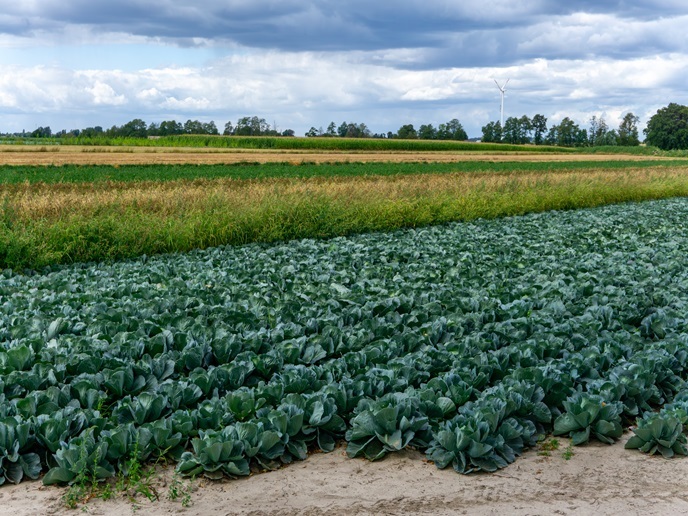
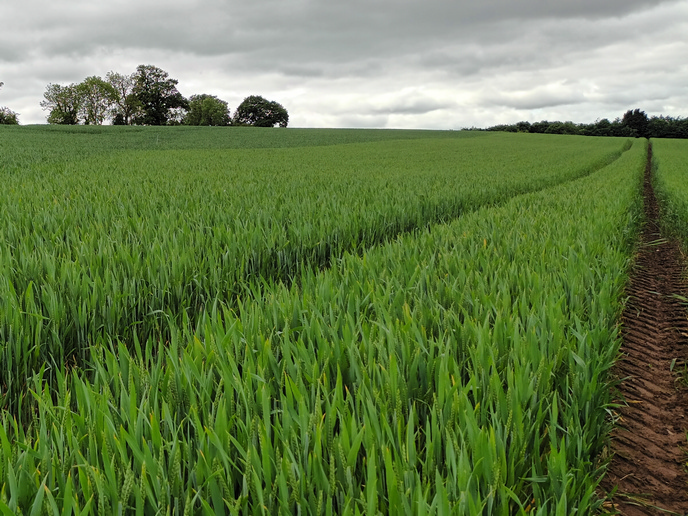
Weeds are a persistent problem and one of the major challenges of farming. They cause major difficulties in both conventional and organic crops, including vineyards, arable and horticultural crops, making their control essential. While the use of synthetic herbicides has allowed increased food production, this has brought a range of costs to the environment, natural resources and human health. While other options exist, their use remains limited. “Many farmers are hesitant to adopt non-chemical weed control methods and avoid the use of herbicides due to their complexity, cost and time requirements,” explains project manager Olga Kriezi(opens in new window), research associate at the Agricultural University of Athens(opens in new window). “Farmers need to be aware of both the advantages and disadvantages of these approaches, understand how they work, and gain hands-on experience in sustainable farming.” In Oper8(opens in new window), project coordinator Spyros Fountas and his team set up an EU-wide network to spread relevant information and promote the use of sustainable, non-chemical weed control. The project built on the existing knowledge and outcomes from eight Operational Groups(opens in new window) (OGs) established under the EIP-AGRI(opens in new window) framework. “The need to exploit, maintain and further develop the research and results of OGs, while continuing to support and empower farmers, was a major motivation for our project,” says Kriezi.
Creating best practices
The Oper8 team first gathered support from the OGs, before forming seven National Networks(opens in new window) (NNs) to discuss weed control methods. This included focus groups, demonstration events, workshops and stakeholder engagement activities focusing on farmers. The next step was to set up the EU-wide thematic network based on these NNs, supporting further engagement activities such as European workshops, surveys, webinars, cross-visits and e-learning courses. “At this stage, the discussion took an EU-wide scope, with farmers, researchers, advisors, policymakers, citizens, students and industry people sharing difficulties and lessons learnt on adopting alternative weed control solutions,” notes Kriezi. The most significant results of Oper8 are the 87 ‘Best Practices’(opens in new window), which each represent an alternative weed control solution tailored to the specific needs, strengths and crops of specific countries. The researchers developed these into 100 Practice Abstracts, 83 Fact sheets, 50 videos and one e-learning module, available online(opens in new window) in the seven languages of the consortium. “Through this comprehensive documentation and audiovisual materials, Oper8 supports farmers across the EU in adopting sustainable and non-chemical weed control methods,” says Kriezi. All material will be made available to the EU CAP Network, EU-FarmBook, Zenodo and Oper8’s website. Oper8 also promotes the adoption of alternative weed control solutions by providing information to all interested stakeholders through the Oper8 Inventory(opens in new window), an online gateway to knowledge about weed control, and collaborating(opens in new window) with EU-funded projects with similar goals, such as AGROSUS and GOOD.
More sustainable farming
The team stresses the importance of placing farmers at the heart of every activity, to actively engage them in the transition to sustainable farming. Strong interest was reflected in the high level of participation, across 76 demonstration events that included a total of 5 051 stakeholders. “Through the materials and resources developed by Oper8, we aim to empower people to explore and apply alternative weed control methods, adapt each solution to their specific needs, respect the environment and move closer to achieving truly sustainable and resilient farming systems,” adds Kriezi.