New tools and strategies to boost agrobiodiversity


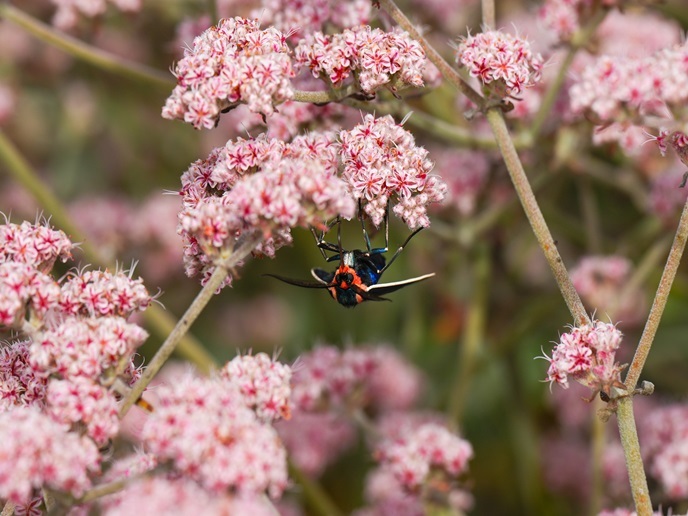
Agrobiodiversity – which involves having a wide variety of animals, plants and microorganisms living together – brings numerous potential benefits. These include: increased resilience to climate change, pests and diseases; alongside improved soil health, ecosystem services and more nutritious diets. The inclusion of underutilised crops is one such biodiversity strategy. Intercropping grain legumes with small grain cereals for example has been shown to enhance soil health, nitrogen-use efficiency and weed suppression. Strip cropping systems combining buckwheat with grain legumes meanwhile have been shown to increase pollinator activity. Reinforcing the adoption of such underutilised crops however can be challenging. These crops often offer lower and more variable yields, while the valuable ecosystem services they provide – such as nitrogen fixation, pollinator support and reduced erosion – are rarely quantified or economically valued. “This creates a chicken-and-egg problem: without consumer demand, farmers have little incentive to grow these crops; without sufficient production, retailers cannot develop or market products at scale,” explains Kevin Dewitte, a member of the scientific coordinating team for the EU-funded CROPDIVA(opens in new window) project.
Aligning stakeholder interests, gene to fork
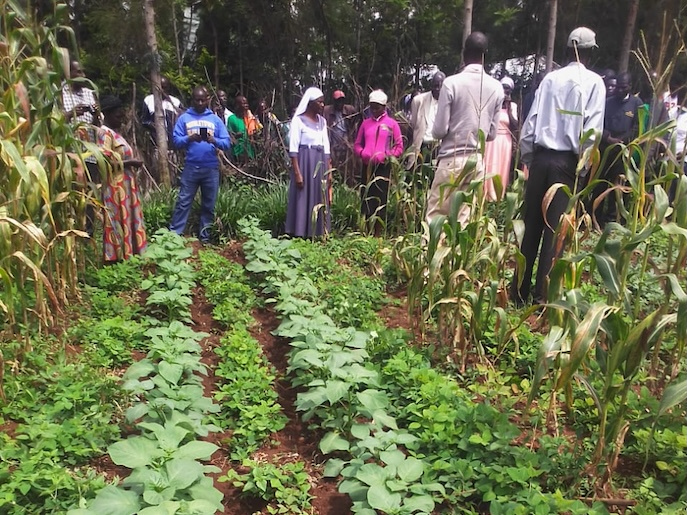
This is the challenge that CROPDIVA set out to address. The project brought together value chain stakeholders to co-create practical solutions – including new products, processing techniques and marketing initiatives. Six underutilised arable crops were focused on – oats, triticale, hull-less barley, buckwheat, narrow-leafed lupin and faba bean. The cultivation of these crops could help farmers to move away from monoculture and improve soil resilience and biodiversity, reduce Europe’s reliance on imported soybean, and potentially create new income streams. “Success depends on regional context, influenced by things like insufficient breeding and processing infrastructure, or regulatory barriers,” notes Dewitte. “For example, constrained by climate stress, faba beans are rare in southern Europe, while low awareness and fragmented value chains restrict hull-less barley in northern Europe.” Hosting 27 partners across 12 European countries, CROPDIVA created Living Labs. These are spaces for universities, research institutes, SMEs, breeders, farmers, processors, retailers and consumers to work collaboratively in. “For example, breeders have collectively recognised that traits like pollinator attractiveness are essential agroecological values, often overlooked when selection focuses solely on yield,” adds Dewitte.
Gene, cropping and market innovations
Cropping system trials have been running using UAV-based sensors, augmented by AI-assisted image analysis, data processing and modelling, to monitor performance and ecosystem interactions in real time. “Some trial sites suffered from extreme weather events, such as intense rainfall or prolonged droughts, disrupting fieldwork but also demonstrating the urgency of cultivating underutilised crops better adapted to future climate scenarios,” says Dewitte. Field observations are combined with advanced genetic studies, resulting in the identification of genetic regions and molecular markers linked to traits such as yield, stress tolerance and quality in oats, triticale, lupin and faba bean. Commercialisation work including product development, tasting panels and marketing strategies are underway. “Novel foods like high-protein oat-based drinks and gluten-free lupin and buckwheat bakery goods, alongside products like fibre-based packaging from crop residues, have been co-created,” notes Dewitte. “Collaborations with culinary schools to create dishes from underutilised crops, illustrate the versatility of these crops, with market-transforming potential.” To help breeders, farmers and other industry actors, an open-source AI-driven decision support system(opens in new window) (DSS) has been developed, integrating highly diverse genetic, agronomic and socio-economic data.
Call for improved policies, as well as practices
CROPDIVA directly supports several EU strategies, including the Green Deal(opens in new window), farm to fork strategy(opens in new window), biodiversity strategy(opens in new window) and European protein strategy(opens in new window). By promoting resilient, low-input cropping systems and developing nutritious, plant-based ingredients, the work also helps reduce greenhouse gas emissions, pesticide use and Europe’s reliance on imports. The team is currently focused on expanding its intercropping systems and breeding pipelines and the continuous improvement of the DSS. “But with the real constraint lying between production and demand, future work will focus more on enabling policies, market incentives and innovation pathways,” concludes Dewitte. “Biodiversity isn’t new, it co-existed with agriculture for centuries, so in many ways we are simply going back to our farming roots.”