Leveraging big data for better olive production

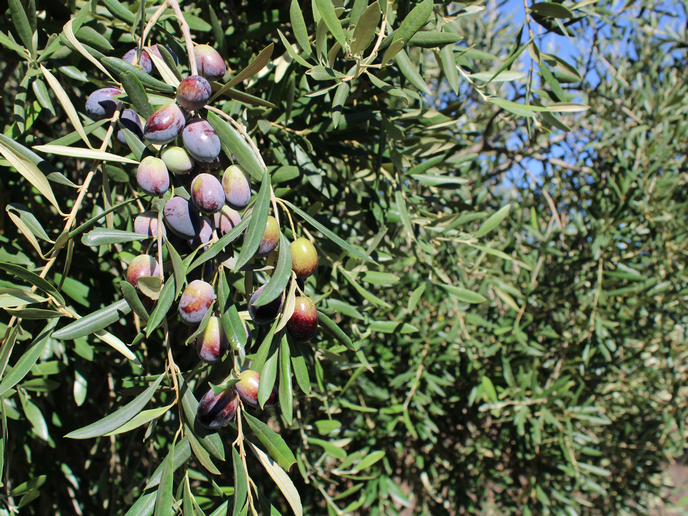
Throughout the Mediterranean, olive oil is a pillar of diet, culture and economy. As an ancient woody crop, the olive comprises over 1,200 varieties globally, yet large-scale commercial plantations rely on only about 5 % of this genetic diversity. Currently climate change, disease and genetic erosion threaten the olive industry, and there is little genetic information available to support olive growers. The EU-funded GEN4OLIVE(opens in new window) project characterised over 500 varieties of olives, developed user-friendly tools and funded multiple projects involving SMEs to ensure the future of sustainable olive cultivation.
A new role for germplasm banks
Germplasm banks (GBs) are basically ‘living libraries,’ where plants, seeds and other genetic material from agricultural specimens are kept. The GBs protect crop diversity by acting as backup facilities in case of damage to the food supply. The GBs are at the heart of the GEN4OLIVE project. Project coordinator Concepción Muñoz Díez states: “In GEN4OLIVE, the five participating germplasm banks – located in Spain, Morocco, Italy, Greece and Turkey – supplied exceptionally diverse and valuable plant material, enabling its thorough characterisation.” Characterisation activities focused on a few key traits: climate tolerance, disease resistance, productivity and oil quality. In addition to characterising material already stored in the GBs, the project added material as well. A core activity of GEN4OLIVE was identifying and conserving wild olive populations across the Mediterranean. Over 200 ancient olive trees were catalogued during the project.
SMEs accelerate pre-breeding programmes
Pre-breeding relies on a wealth of data to determine the best varieties for specific regions as well as which genetic traits are worth introducing. GEN4OLIVE identified genotypes among cultivated and wild varieties with superior tolerance to disease, drought and other biotic and abiotic stresses. The project ran two open calls through which it funded 25 projects involving SMEs. Many of the SMEs applied GEN4OLIVE resources to create pre-breeding programmes, establishing field trials to test the performance of traditional varieties. A noteworthy project located in Georgia explored cultivars resistant to cold, with the potential to expand the region where olives can be cultivated.
Digital tools extend expertise
Creating genetic resources and empowering the agricultural sector to use them requires a data interface. GEN4OLIVE built an online database(opens in new window) that contains phenotypic data on over 600 varieties. In addition to the database, the project used machine learning to develop mobile apps that can identify varieties and diseases. The OliVaR(opens in new window) app has demonstrated up to 96 % accuracy in cultivar identification during training phases, establishing it as a highly promising tool for cultivar recognition. The simultaneous development of genetic resources and the digital tools to use them encouraged project partners to think big. Díez shares: “These tools can give everyone access to expertise. A nurseryman can advise farmers and select the best variety for propagation according to end user’s needs, and a farmer can diagnose a disease by taking a picture and analysing it through AI tools.” The impact of GEN4OLIVE’s solutions will be immediate, as stakeholders gain access to powerful digital tools. Over time, the development of genetic resources and the fine tuning of AI tools will lead to stronger breeding programmes and more sustainable cultivation. GEN4OLIVE has made the largest data contribution ever to the olive sector, and by ensuring data access to all stakeholders, the project has helped ensure the future vitality of olive production.