



Using retinal organoids to improve treatment outcomes

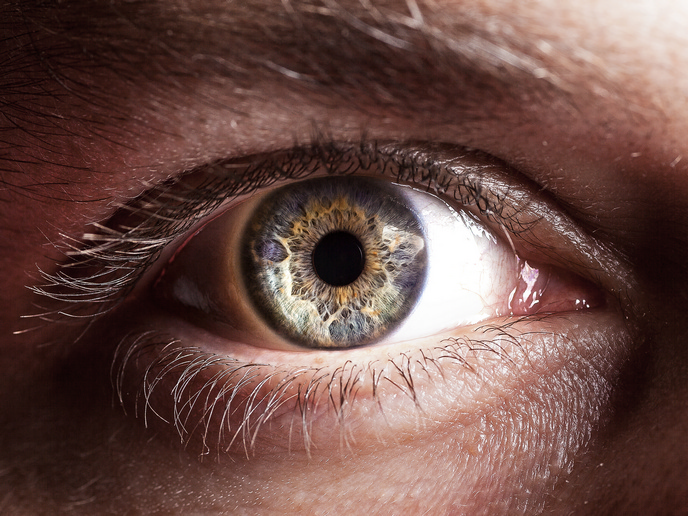
Although most diseases that blind people originate in the retina, we lack treatment(opens in new window) for most of these conditions. The challenge is that, as animal models don’t often replicate human eye diseases, therapies that work in animals frequently fail when it comes to humans. That’s why it’s critically important to develop disease models using human cells and test therapies in the context of the human retina. Which is where the HURET(opens in new window) project, supported by the European Research Council(opens in new window), steps in, as part of a range of research conducted in this field. The HURET project has developed a set of new technologies that enable the study of the human retina, to understand its functional architecture and disease mechanism in its cell types, and so to develop therapies.
How human retinas in organoid form help to find new drugs
“We developed a technique to grow thousands of miniature artificial human retinas in the lab(opens in new window), called organoids,” says project coordinator Botond Roska, director at the Institute of Molecular and Clinical Ophthalmology(opens in new window), Basel (IOB), in Switzerland. The human retinal organoids are sensitive to light and contain many of the same cell types found in real human retinas. “We then developed a new technology called near-infrared optogenetics(opens in new window) that lets us stimulate human retinas with light after death, allowing us to observe how the human retina processes visual information,” adds Roska. The team also created a new method for delivering genes to human cells, which lets researchers quickly change how genes work in retinal cells.
More relevant therapeutic testing process using human cells
Using these technologies, IOB screened potential drugs in about 20 000 human retinal organoids to find compounds that can slow photoreceptor loss in human models of retinal disease. The team also studied how the human retina computes what we see. “Looking ahead,” notes Roska, “our near-infrared optogenetic technology could potentially restore vision in people who are partially blind. And we’ve already achieved a major milestone: together with José-Alain Sahel, emeritus professor at the Sorbonne University in Paris, we treated a cohort of blind patients with optogenetics and have reported successful partial vision restoration in one patient from this cohort(opens in new window).”