Beyond the bottle: turning wine emissions into bio-based value

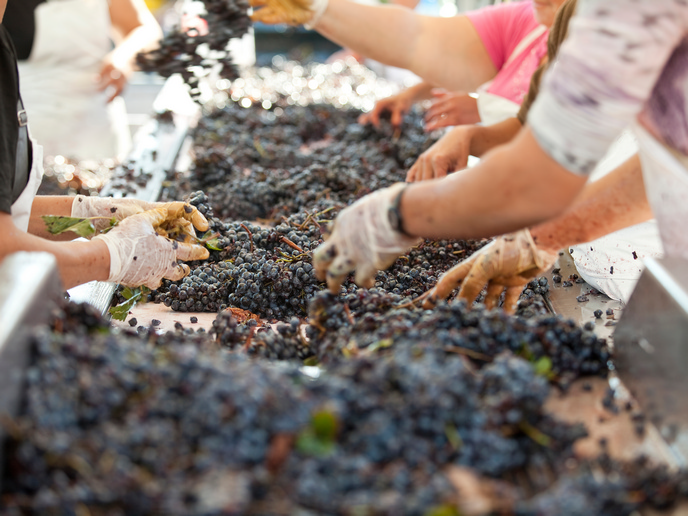
The European wine industry is under pressure to cut emissions, reduce additives and operate more sustainably, while remaining economically competitive. The EU-funded REDWine(opens in new window) project has taken on these challenges by transforming two major winery waste streams – CO2 emissions and liquid effluents – into bio-based products. “REDWine proved they could have an interesting value,” says project coordinator Miguel Cachão. That value, it turns out, comes in the form of microalgae biomass, captured carbon and a new circular business model for wine producers across Europe.
From waste streams to new markets
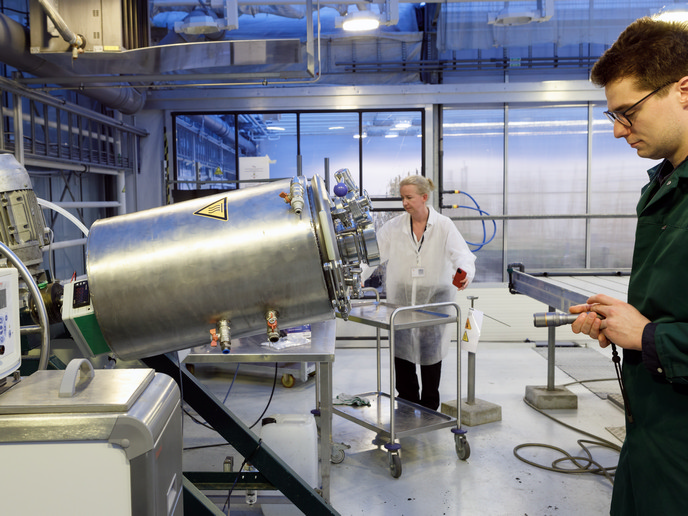
The project’s primary innovation is an integrated system that captures, purifies and liquefies CO2 released during fermentation, and stores it for reuse. REDWine successfully tested the system under real operation conditions in its demonstration site in Palmela, Portugal, where it recovered two tonnes of CO2 per year. The recovered CO2 was reused as a growth input for microalgae cultivation. Winery wastewater served as the liquid medium, enabling the cultivation of Chlorella vulgaris(opens in new window), a versatile microalgae species, in a range of photobioreactor systems developed by the project, including flat-panel, tubular and AI-controlled designs. REDWine estimates that its system can achieve more than a 30 % reduction in the carbon footprint across the wine value chain. Microalgae biomass produced through this process can be processed into proteins, lipids, pigments and bioactive compounds, finding applications in agriculture, cosmetics, food and in winemaking itself, where algae-based ingredients can replace sulphites as preservatives.
Scalable business models for European wine regions
The project developed and tested three complementary business models. In the winery-integrated model, a single producer installs the full system on site. In the centralised biorefinery model, individual wineries produce biomass, while the processing and extraction of valuable compounds take place in a shared regional facility, reducing investment and operational complexity for wineries. The third model consists of a cooperative approach, where a centralised shared facility, or bio-hub, performs both algae cultivation and biomass processing. This set-up offers greater scalability and efficiency, and it includes smaller wineries in the system, without requiring major infrastructure investments. “The REDWine project proposes a staged commercialisation pathway,” says Cachão. “It recommends starting with carbon capture solutions at wineries and gradually expanding toward regional cooperation and centralised processing hubs.” By adopting the system, wineries could generate new income from the sale of microalgae biomass, refined bioactive ingredients, captured CO2 and premium sustainable wines. The project estimates a total addressable market of EUR 3.55 billion for microalgae-derived ingredients. Beyond revenues, the cooperative bio-hub model would require specialised skills across algae production, biorefinery operations and logistics, creating new employment opportunities in rural wine-producing regions. The model shows strong potential for replication, “particularly in southern Europe – Spain, France, Italy and Portugal – where most vineyards, sunlight availability and sustainability initiatives converge,” notes Cachão. These regions also have cooperative business structures that can serve as a framework for shared bio-hubs and biorefineries. He concludes: “As carbon pricing, sustainability certification and consumer demands for eco-wines grow, REDWine can be scaled across European wine regions, transitioning from local pilots to a continent-wide model that enhances environmental performance, economic resilience and cross-sector innovation in the bio-based economy.”