Integrated care to avoid hospitalisation for heart failure patients


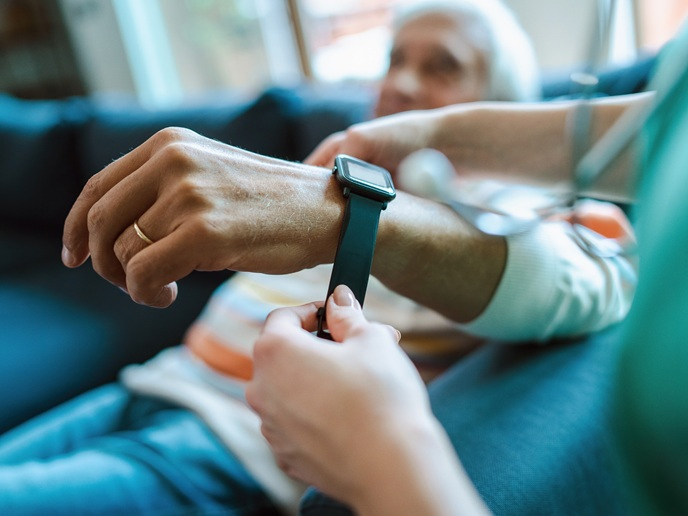
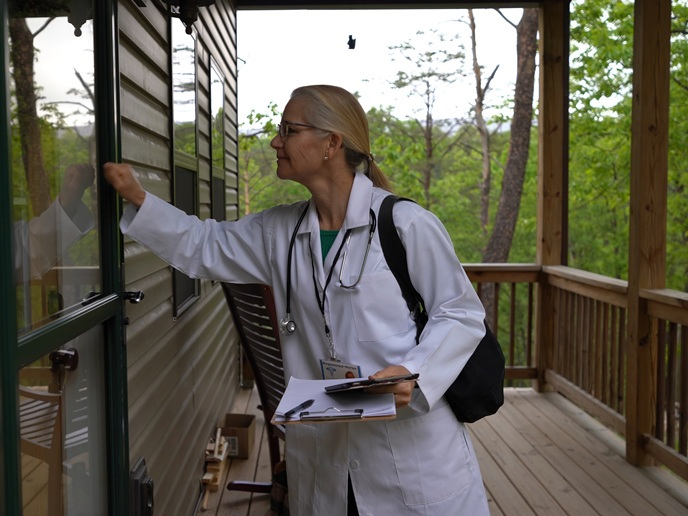
Heart failure (HF) remains the leading cause of hospitalisation among people over 65. More than 15 million people in Europe live with the condition, placing a significant burden on patients’ quality of life and Europe’s healthcare systems. Treatment is complex and, if not properly managed, can lead to further hospitalisations. Preventing such avoidable admissions remains one of the key challenges in HF care today. “HF management is particularly complex because patients often require multiple medications that need to be carefully titrated over time,” says Mireia Puig, director of emergency service at the Hospital of the Holy Cross and Saint Paul(opens in new window) in Barcelona, Spain. “Monitoring patients after discharge is key to adjusting medication to the real needs of patients and to improving patient adherence.” Through the EU-funded TIQUE(opens in new window) project, a consortium of public healthcare procurers drove the development of innovative solutions by challenging providers to address a shared clinical need for in-home care. Through a competitive R&D process, two different integrated systems – TIQUE-V and Plat4TIQUE – were developed and tested. Each combines flexible care pathways, smart home monitoring devices and artificial intelligence (AI) to anticipate potential clinical deterioration. “By enabling early detection and timely intervention, this integrated approach has the potential to reduce avoidable hospitalisations, improve patient outcomes and optimise the use of healthcare resources,” explains Puig, who acted as principal investigator of TIQUE.
Developing smart care models
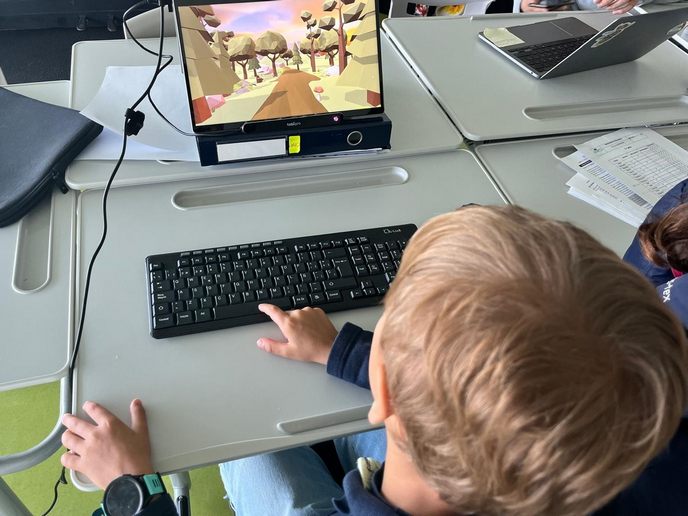
TIQUE’s solutions integrated care pathways combining continuous monitoring with structured follow-up through a ‘Virtual Care Centre’. This model brings together dedicated professionals working in close coordination with hospital clinicians, supported by a digital platform prepared to incorporate AI-based models to analyse patient status and detect early signs of deterioration. Real-world pilots were conducted across three sites: Hospital of Saint Paul, ASL Avellino in Italy and Region Västerbotten in Sweden. The project’s two new solutions were tested both in patients’ homes and in clinical settings. “Both solutions demonstrated in real-world conditions that they were capable of operationalising the TIQUE integrated care model and generated valuable evidence to inform the next phase of the project,” says Caterina Sampol, coordinator of the project.
A blueprint for HF treatment across Europe
One of the most significant results was the development of a fully integrated, patient-centred care model that combines clinical, technological and organisational innovation. “The project demonstrated that remote monitoring can enable early detection of decompensation, laying the groundwork for more proactive care and reducing the likelihood of unnecessary hospitalisations,” notes Sampol, who acts as procurement manager at the Hospital of the Holy Cross and Saint Paul. Evidence from the pilot sites showed improvements in care coordination and multidisciplinary collaboration, visibility of patient status for clinicians, and patient engagement in self-management. TIQUE has developed a transferable ‘blueprint’ for HF that can be adapted by other regional healthcare systems across Europe, which includes technological components, care pathways and governance models required for effective implementation.
A broader shift in European healthcare
The project contributes to a transformation of European healthcare systems from reactive, hospital-centred care towards proactive, home-based and patient-centred models. “The solutions developed are not limited to HF and could be extended to other chronic conditions facing similar challenges, such as COPD or diabetes,” adds Mireia Mei Torrecillas, the TIQUE Monitoring Team’s biomedical engineer. Both solutions continue their path towards commercialisation. TIQUE-V is currently active in several European markets, while Plat4TIQUE is progressing towards certification within the next two years. A Plat4TIQUE pilot in Avellino will be extended to further strengthen its evidence base.