Protecting crops starts with identifying potential virus reservoirs

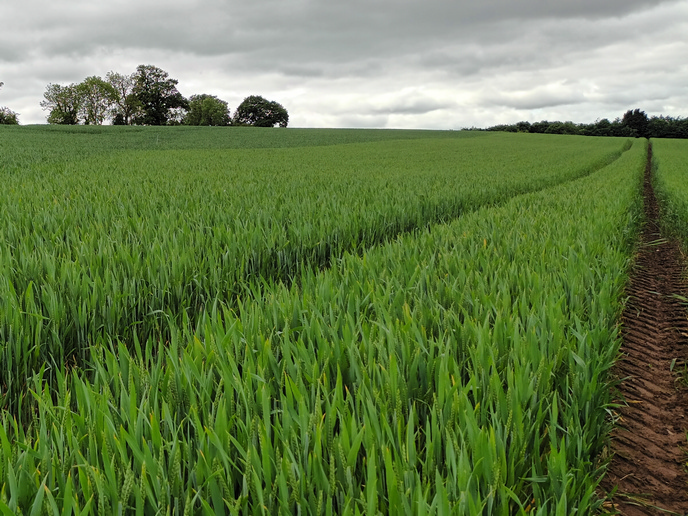
Viruses don’t only impact human health – they also threaten our food supply. That’s because crop plants are particularly vulnerable to virus infections, especially those transmitted via insects, nematodes or mites. Traditionally, this risk would be managed using insecticides. But new regulations, growing health concerns, and a general shift towards sustainable farming mean that this option isn’t as readily available. “What today’s farmers need is an in-depth understanding about which viruses pose a risk to their crops and where those viruses live, along with the ability to quickly detect them,” says Marta Niedzicka, a research officer at Teagasc(opens in new window) – Ireland’s Agriculture and Food Development Authority. Helping answer this need is the EU-funded HealthyPlants(opens in new window) project.
Identifying hidden virus reservoirs
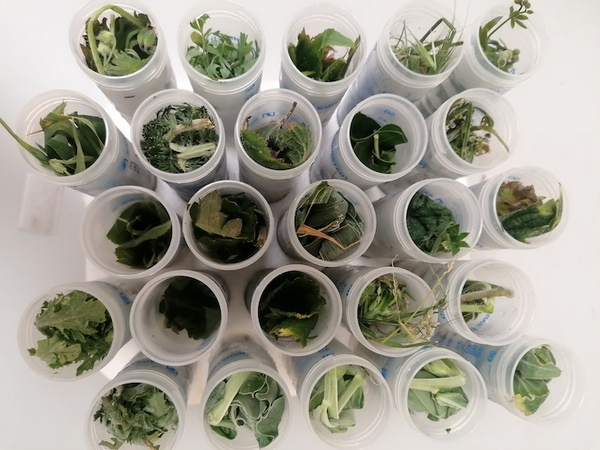
Coordinated by Teagasc, the Marie Skłodowska-Curie Actions(opens in new window) supported project completed Ireland’s first nationwide survey of viruses associated with major cultivated plants. During the survey, researchers used high-throughput DNA/RNA sequencing (HTS) to identify viruses not only in crops, but also in the non-crop plants that grow alongside a field. “These non-crop plants can act as hidden virus reservoirs, essentially harbouring a disease that can later spread into crops via such insects as aphids,” explains Niedzicka. “The early detection of these reservoirs and the viral strains they contain is a critical first step in managing plant-health risks.” HTS is a technology that allows for the rapid, simultaneous sequencing of millions – even billions – of DNA or RNA molecules, providing researchers with comprehensive, low-cost and fast insights into genetic data.
A risk to soybean and legume cultivation
What researchers found was that soybean dwarf virus (SbDV) is very much present in Ireland. The virus, which is transmitted via two aphid species that are widespread in Ireland, can cause severe soybean yield loss. Researchers traced SbDV to white and red clover, two plants commonly found in Irish grasslands. “This indicates that there is already an abundant reservoir host within existing agricultural systems – one that could become a significant risk to the introduction of soybean varieties adapted for cooler environments,” notes Niedzicka. The project also identified eight viruses in symptomatic pea and faba bean samples – three of which were flagged as posing a potential threat to legumes. “All our findings can help agricultural stakeholders prioritise targeted surveillance, varietal resistance screening, and vector monitoring,” adds Niedzicka.
A new baseline for molecular surveillance
Having set a new baseline for molecular surveillance, the HealthyPlants project has enabled the rapid screening of plants and insects for the presence of harmful viruses. “By revealing hidden virus reservoirs in clover and identifying emerging threats in legumes, our work improves early-warning capacity and supports more resilient, sustainable crop production as agriculture adapts to climate change and diversification,” concludes Niedzicka. Researchers are currently looking to apply their findings from the project to determine the prevalence and distribution of certain viruses in commercial pulse crops such as lentils, faba beans and field peas. They also hope to identify those insects responsible for spreading the virus. The project has made many of its findings(opens in new window) publicly available.