Strengthening wildfire response across borders

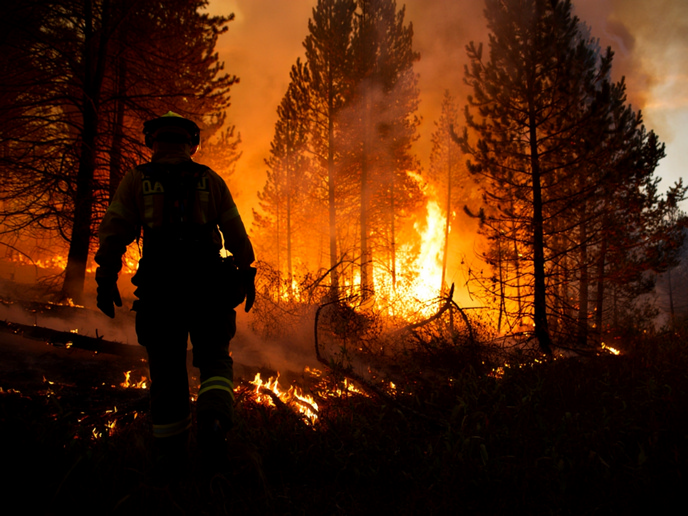
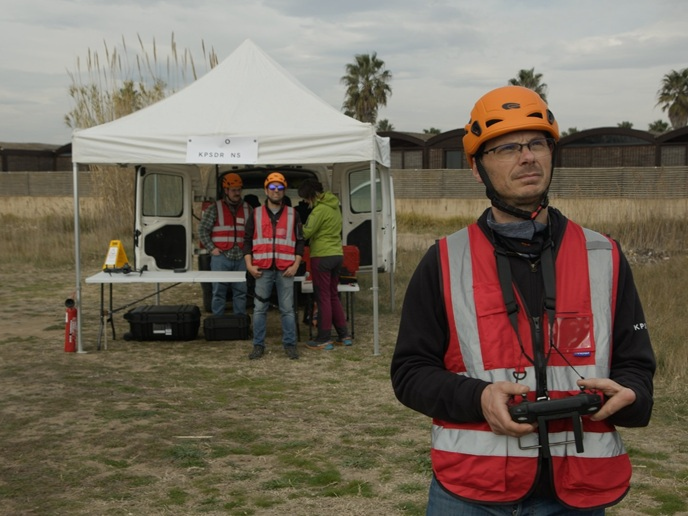
The EU-funded DARE(opens in new window) project recently held its first operational trial to demonstrate how digital tools and harmonised procedures can support emergency services for wildfires requiring international cooperation. Held at the Valabre Firefighting School in Gardanne, France, from 29 June to 2 July 2026, the trial marks an important milestone in the development of a more interoperable and coordinated emergency response system for Europe. As climate-related disasters such as wildfires and floods become more frequent and intense in Europe, effective cross-border emergency responses are crucial to avoid delays and save lives. However, current differences in systems, tools and processes between European countries hamper coordination in emergency situations. Launched in October 2025, DARE is addressing this issue by improving cross-border operational processes and information sharing – effectively connecting national systems rather than replacing them. The three-day trial brought together project partners and emergency response experts to test key functionalities of its DARE Dashboard(opens in new window), an open-source tool enabling seamless cooperation between countries during cross-border wildfire response operations.
A tool for better coordination
Through the DARE Dashboard international teams can share vital information quickly and efficiently during major disasters. It provides a unified, comprehensive picture of emergency situations by combining data from sensors, social media and official reports. It matches the right responders to the right situation, deploying specialised teams where they can have the greatest impact. The Gardanne trial compared current coordination practices with a DARE-supported scenario. The focus was on how operational information is exchanged before and during an emergency. During the scenario, the dashboard was tested across the key phases of multinational wildfire response, ranging from preparation, arrival and integration of international forces into the host nation’s command structure, to role clarification, resource coordination, decision-making and adaptation to changing conditions. Additionally, the trial went beyond considering incoming units simply as generic reinforcements. It examined whether these units could be understood as operational resources with defined capabilities, limitations, reporting requirements and tasking conditions. The dashboard was also tested under changing wildfire conditions – new resource requests, fire spread, shifting priorities, and the arrival of additional national (French) and European units. These changes created the need for situation reassessments and resource allocation and reallocation. Observers looked at aspects such as task clarity, status tracking, arrival-to-tasking processes, and how much command staff relied on shared digital information to assess whether the dashboard helped reduce coordination issues when international units join an ongoing emergency response. Command and control specialists from several European countries provided structured feedback during the trial. This was used to help identify the dashboard’s strengths, areas where operational procedures need to be clarified and functionalities that need refining. The DARE (Deployment And engagement of Resources and citizens for European Emergency Response) project will use the trial’s results to further develop the dashboard so that it can effectively support future training activities and, in the longer term, improve emergency crew coordination during wildfire and flood response operations. For more information, please see: DARE project website(opens in new window)