Valuing our soil through science, art and policy


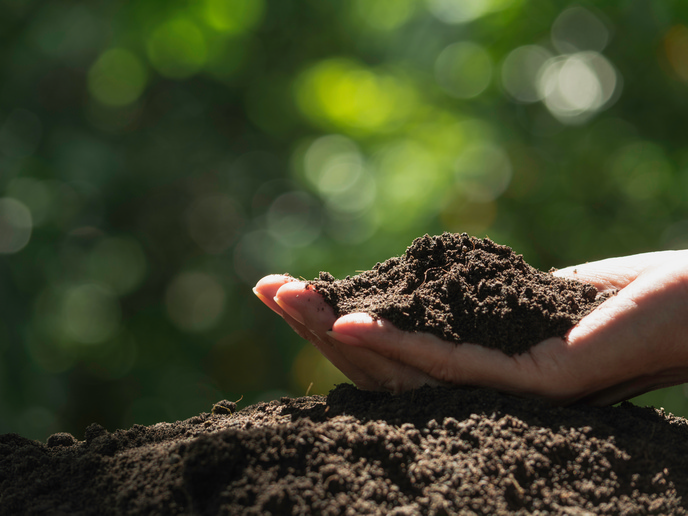
The EU-funded SoilTribes(opens in new window) project is raising people’s awareness of the important role that soil plays in our world, and the challenges it faces. Bringing together 25 partners from 11 European countries, the project strives to improve soil literacy and restore soil values and connectivity through science, technology and creative expression. Actions taken since its launch in 2025 include a soil museum, a dedicated digital space introducing soil policy pathways and an art exhibition exploring the role that soil plays in a sustainable future.
Sharing knowledge, broadening horizons
SoilTribes recently marked a major milestone with the establishment of the first Living Soil Museum(opens in new window) in Ukraine. The museum’s eastern hub was inaugurated at the Poltava State Agrarian University in June 2026. Combining scientific research and education, the museum is part of the project’s ‘Soil Ark: Shaping Soil Futures Together’(opens in new window) initiative aimed at developing a culture of knowledge about soils and raising public awareness of their ecological value. The museum features real-time monitoring of soil pH, temperature, moisture and other indicators. It also offers a space where various aspects can be studied, such as the soil ecosystem and the role that microorganisms play in it. Project partner Global Network of Water Museums has organised ‘Soil Art Tales. Living Ecosystems for Shared Futures’, a travelling exhibition exploring the profound connections between soil, water and life through the lens of contemporary art. Bringing together four internationally recognised artists from different generations, the exhibition will be hosted in seven different European institutions in Bulgaria, France, Italy, Poland, Portugal and Slovenia. Curator Stefano Cagol comments on the exhibition’s objective and the importance of soil in a SoilTribes news item(opens in new window): “Through empathy, artistic perspectives, and transcoding, these works bring us together in a collective vision for the fundamental values of soil. Our challenge is to make these precious tales known across Europe and beyond. Soil is alive—and lives with us. It holds memory, carries the traces of past civilizations, and nourishes every future we can imagine. Recognising its vitality means acknowledging our interdependence with the ecosystems that sustain us. By translating scientific knowledge into sensorial narratives and shared experiences, we open pathways for awareness, care, and responsibility. The voices of soil—its textures, its subtle rhythms, its silent resilience—become bridges between cultures, reminding us that we are custodians of a fragile and irreplaceable heritage.”
Pathways to effective soil policies
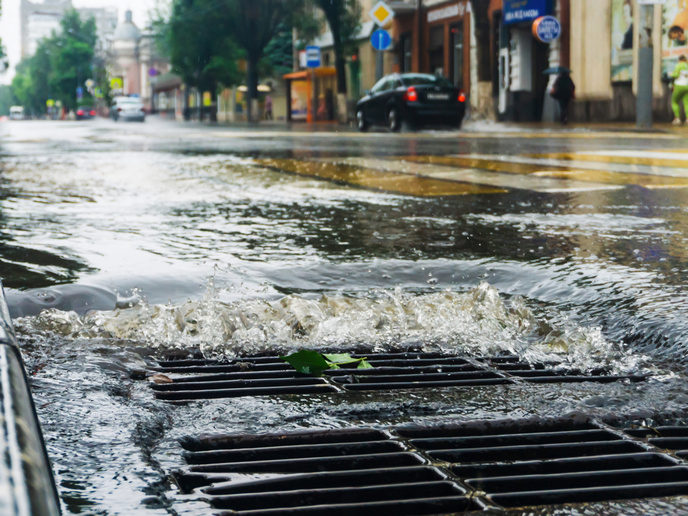
SoilTribes has also launched Policy Pathways(opens in new window), a resource that offers policymakers support in turning soil protection into practical action. Accessible through the Resources tab on the project website, the Policy Pathways section will host a series of five digital booklets and accompanying audiobooks prepared by project partner ICLEI Europe. Each booklet focuses on key soil challenges and the steps that public authorities can take to address them. The first publication in the series deals with preventing and reversing soil sealing(opens in new window). More booklets offering soil-related guidance will be published progressively. Through these initiatives and more, SoilTribes (Glocal ecosystems restoring soil values, roles and connectivity) is helping to ensure the long-term sustainability of soil as a fundamental resource for future generations. The project ends in December 2027. For more information, please see: SoilTribes project website(opens in new window)