Nature-based solutions for efficient urban drainage

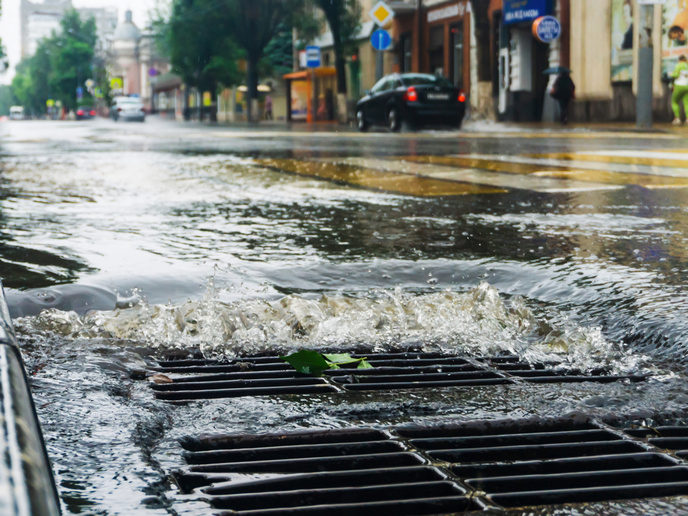
Urban run-off – comprising stormwater and snowmelt – carries pollutants into water networks, presenting a potential threat to public health and damaging ecosystems. This challenge is being compounded by climate change, which is causing some places to get more rain at unusual times. This can lead to overworked and inefficient wastewater systems. “Current combined sewer networks (CSNs) are designed with 10-year service levels which result in occasional events of stormwater overflow, with untreated sewage being discharged into water bodies,” explains D4RUNOFF(opens in new window) coordinator Rikke Hansen from VandCenter Syd(opens in new window) in Denmark.
Putting in place nature-based solutions
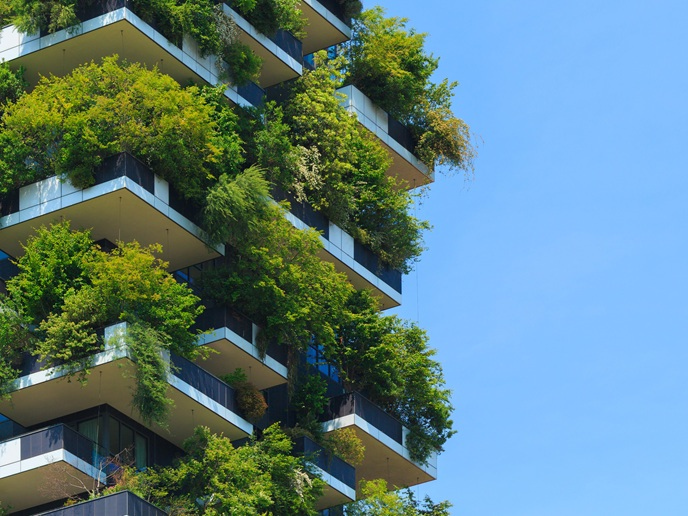
The overall goal of D4RUNOFF was to facilitate better management of pollution from stormwater. Nature-based solutions (NBSs) were identified as underutilised tools for effectively handling the volume and flow rate of stormwater run-off. NBSs include innovations such as sustainable drainage systems (SuDSs), rainwater basins, green roofs (roofs with vegetation) and construction of wetlands. Through the application of data, D4RUNOFF sought to help public authorities and utilities identify and put in place the most effective NBS strategies. For this, cost-effective online sensors and monitoring technology was developed to collect remote and real-time data on pollutants. “The project partners developed a risk assessment and mapping methodology to identify diffuse pollution hotspots for specific sites, taking account of climate change effects,” notes Hansen. An artificial intelligence (AI)-powered platform was then created to help in the design of effective strategies to cope with and mitigate urban run-off events. The platform incorporates over 200 urban drainage strategies, and offers current and future climate scenarios and multi-pollutant risk assessments.
Applying evidence-based data to decision-making
This platform was trialled in three pilot case studies: Odense, Denmark; Santander, Spain; and Pontedera, Italy. In Santander for example, different types of permeable surfaces – pavements, green roofs and gardens – were assessed and included the size of wetland to maximise its potential benefits. In Odense, NBSs such as SuDSs with filter soil and biodiversity-friendly vegetation were put in place, with local residents involved in their creation. These trials have demonstrated the effectiveness of applying evidence-based data to decision-making. Initial assessments also supported the replication potential of the technology across other European locations at risk of urban run-off. “D4RUNOFF generated exploitable results that can support urban water management, pollution monitoring, climate adaptation and policy implementation,” says Hansen. “Its tools and methods have the potential to help utilities, municipalities, regulators and researchers in making more informed decisions, improve compliance with EU water legislation and accelerate the implementation of NBSs and digital water solutions.”
Adapted and applied to other cities and regions
Beyond technical innovation, the project also sought to ensure that its results could be brought to market. “The exploitation strategy focuses on three main pathways: embedding D4RUNOFF tools into urban planning and water management systems in the pilot cities and their networks; contributing to EU standardisation and certification efforts for water monitoring and NBSs, and supporting policy coherence across sectors and administrative levels,” adds Hansen. For example, the project partners have developed a structured replication strategy that facilitates the transfer of the project’s methodologies and tools to diverse geographical and institutional contexts. “We have tried to ensure that our key approaches – including risk assessment methods and monitoring technologies – can be adapted and applied to other cities and regions across Europe,” says Hansen.