Individual susceptibility in SARS-CoV-2 infection and disease

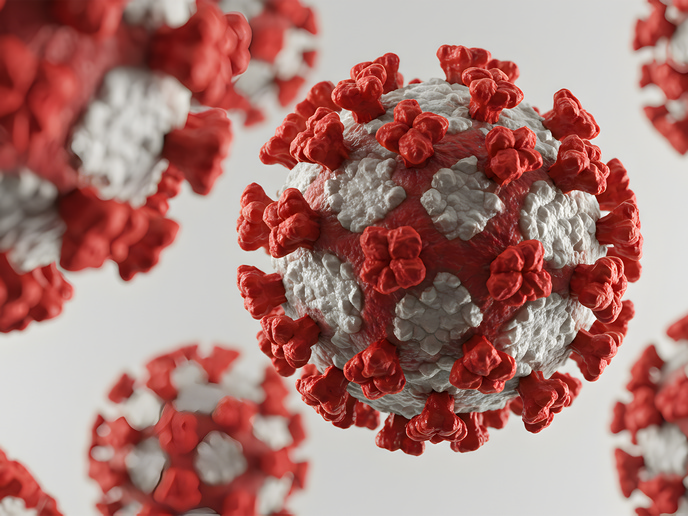
Although the COVID-19 pandemic may be over, the impact of SARS-CoV-2 – the virus behind the disease – is not. It is still infecting people worldwide, with consequences ranging from silent infection to lethal disease and everything in between. “Some people remain uninfected despite repeated exposure, whereas others develop outcomes ranging from asymptomatic infection to fatal COVID-19 pneumonia, neurological complications, multisystem inflammatory syndrome or long COVID,” says Trine Mogensen, a professor and consultant in the Department of Biomedicine(opens in new window) at Aarhus University(opens in new window) and the Department of Infectious Diseases(opens in new window) at Aarhus University Hospital(opens in new window). What causes this immense inter-individual clinical variability remains a medical mystery – a mystery that the EU-funded UNDINE(opens in new window) project aimed to help unpack. “Exploring the human genetics and immunity of SARS-CoV-2 infection and clinical disease manifestations, the project delivered findings that are of medical and public relevance in relation to COVID-19, as well as to future emerging viruses and pandemics,” adds Mogensen, who coordinated the project.
From infection and disease severity to long COVID
Starting with the hypothesis that many patients carry pre-existing genetic or immunological abnormalities that shape infection and disease, the project conducted studies on both single cells and the entire organism, as well as paediatric and adult patients. What they found has significantly expanded our understanding of individual susceptibility to SARS-CoV-2 infection and disease severity. For example, the project identified several host genetic defects that determine disease severity and infection outcome, including critical COVID-19 pneumonia and such postinfection conditions as multisystemic inflammatory syndrome in both children and adults (MIS-C/A). UNDINE further clarified how sex and age impact SARS-CoV-2 pathogenesis and disease outcome, and associated these factors with different virus strains. It also characterised the origin, emergence and persistence of neutralising autoantibodies and type I interferons, and how these proteins impact the development of critical and fatal COVID-19. Furthermore, researchers looked at long COVID. “While the pathogenesis of long COVID remains elusive, our research ruled out several immunological disease mechanisms known from other postinfectious conditions,” explains Mogensen.
Improving Europe’s pandemic preparedness
UNDINE’s impact is substantial. Not only has it advanced our understanding of why SARS-CoV-2 exposure leads to such diverse outcomes, in doing so it has helped make Europe better prepared for future pandemics. In fact, some of its results are already having a direct medical impact. This includes the development of a point-of-care test for detecting neutralising interferon autoantibodies and identifying specific genetic defects that can be tested in patients, relatives and susceptible subgroups. The project also identified a broccoli-derived antiviral, anti-inflammatory extract that is currently under development for a phase 1 clinical trial. Last but not least, by mapping the emergence, transmission and virulence of different SARS-CoV-2 strains, UNDINE contributes to current and future vaccination strategies for different age groups and populations. “UNDINE is not the end point of the consortium’s collaboration(opens in new window), but the start of an ongoing joint effort to improve insights into viral infections, host immunity and pandemic preparedness,” concludes Mogensen.