



Standardising the crustacean processing activities

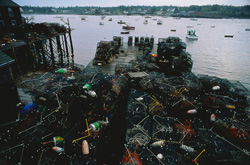
One of the most significant economic sectors in European countries is the crustaceans fishery with shrimps and prawns being integral components in most gourmet dishes. Due to their sensitivity, preparation methods often require excessive use of preservatives in order to delay melanosis or black spot. Melanosis inhibitors are normally based on sulphite, which is potentially harmful to consumers, particularly when it exceeds certain levels. Challenged by this, the CRUSTMEL project developed safer melanosis inhibitors and more efficient processing means and methods for improving food hygiene standards. Within this context a detailed process for each type of crustaceans was specified including description of new applicable inhibitors and conditions of utilisation. Additionally, innovative processing technologies related to all interested parties involved like fishermen, aquaculture managers, processors and retail market operators were also included. A set of guidelines for inhibitors application was also compiled providing standard operating procedures for the preparation of crustaceans of high quality. These were combined with a manual in guide format of the standard operating procedures for the processing of crustaceans. Additionally, an innovative guidebook offers technical advice on the exploitation and processing of shrimp and Norway lobster for onboard and on-shore operations. The guidebook offers advise on the application of chemicals for melanosis inhibitory purposes, chilling, freezing, cold storage, processing and safety issues that have a great impact on the product's quality. Addressing key issues associated with inhibitors and processing technology of crustacean it is expected that it will significantly contribute to the safer use of food additives and improve the quality of products. Moreover, compliance to these procedures may lead to healthier products with increased shelf-life for the consumers.