Bioreactors for bone regeneration with autografts

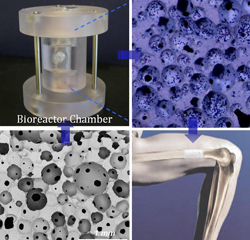
Bone tissue engineering is a relatively new field that was borne out of the difficulties faced with restoring bone function in conventional ways. One of the most common treatments in the past was the use of autografts, or grafts from the patient themselves. However, the procedure required two surgeries increasing risks and complications. Regeneration through the use of artificial implant materials is very promising but has met numerous stumbling blocks in taking it from the lab to the clinic. High costs, lack of reproducibility due to inadequate standards and technical difficulties of transferring tissue from off-site ‘cell factories’ to hospitals are among the main obstacles. European researchers set out to combine the concepts of a ‘cell factory’ and an autograft in automated hospital production units via funding of the Autobone project. Scientists developed bioreactors to be used in the hospitals themselves. Scientists developed bioreactors to be used in the hospitals themselves. The reactors activated specially designed porous scaffolds with stem cells from the patient’s bone marrow to produce quasi-autologous bone material. Prototypes were validated in large animal models. Commercialisation of the Autobone reactors could have significant impact on patient quality of life and healthcare costs. In addition, extension to regeneration of other tissue types holds exciting prospects for restoration of function to thousands in the future.