Inflammation — cause of atherosclerosis

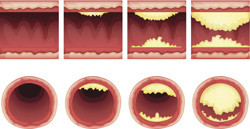
The formation of atherosclerotic plaques is the hallmark of coronary heart disease. They build up on the inner walls of the arteries of the heart following the migration of SMCs and the production of extracellular matrix (ECM) components. These pro-inflammatory events recruit immune cells to the plaque causing severe inflammation and thrombosis. However, the precise molecular mechanisms responsible for transforming a silent atheroma into a life-threatening plaque remain unknown. Based on the theory that inflammation is the main trigger, the EU-funded 'Smooth muscle cell transcriptomics and infectious agents' (IN-SMC) project set out to unveil the events that lead to inflammation. The work focused mainly on the changes in SMCs and the role of oral bacteria in inducing inflammatory gene expression. In this context, scientists isolated SMCs from atherotic plaques and compared their gene expression with healthy cells. They found that SMCs had increased protein metabolism but reduced lipid metabolism. Additionally, bacteria were identified in patient dental abscesses such as Porhyromonas gingivalis. Aspirates from lesions of periodontal infection stimulated a higher cytokine production in SMCs, indicating the capacity of oral bacteria to activate SMC directly. The results of the IN-SMC study demonstrate the role of oral bacteria on plaque stability and shed light into the process of plaque formation. The identification of the signalling pathways altered in SMCs could form the basis for the design of future therapeutic interventions.