Dissecting the pathogenicity of fungi

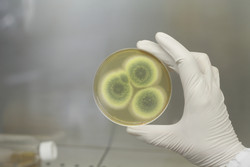
Fungi such as Aspergillus are major causes of life-threatening infections approaching mortality rates of nearly 90 %. Over the past decade, rare opportunistic moulds have made their appearance, causing invasive infections and exacerbating the health threat from these pathogens. In healthy individuals, elimination of inhaled airborne fungal spores occurs through professional phagocytic cells. However, in immunocompromised individuals chemotherapy-induced neutropenia hampers phagocytic function. Current antifungal agents are largely ineffective, emphasising the need for understanding the pathogenesis of fungal infections at the cellular and molecular level to develop targeted therapies. The scope of the EU-funded FLY FUNGAL INTERPLAY (Dissecting innate immunity to airborne opportunistic fungi through a genome-wide screen in Drosophila) project was to elucidate the host-fungal interplay responsible for regulating intracellular killing of conidia within phagocytes. Project activities focused on identifying novel evolutionarily conserved genes with important role in immunity against airborne opportunistic fungi. Evidence from Drosophila melanogaster underscored the importance of autophagy in antifungal immunity. Conditional inactivation of autophagy genes in fly blood cells increased their susceptibility to fungal infection. FLY FUNGAL INTERPLAY scientists went on to delineate the autophagy process in human infections. Results indicated that infection of primary human monocytes with Aspergillus spores triggered selective recruitment of the autophagy protein LC3 II. Further work helped to unveil the downstream molecular components of autophagy. LC3 II was almost completely abolished in monocytes of patients with genetic defects in NADPH oxidase (chronic granulomatous disease, CGD). Predominantly, shielding of the pathogen-associated molecular patterns and cell wall composition (melanin) inhibited phagosome biogenesis. From a therapeutic perspective, harnessing autophagy to improve antifungal immunity proved to be a valid approach. Specifically, treatment with an IL1 receptor antagonist restored antifungal autophagy in monocytes of CGD patients and improved their clinical picture with respect to colitis. Targeting the autophagy pathway with melanin could be relevant in regulation of inflammation and tissue homeostasis and in pathogenesis of other human diseases.