Connecting digital innovation with agroecological farming


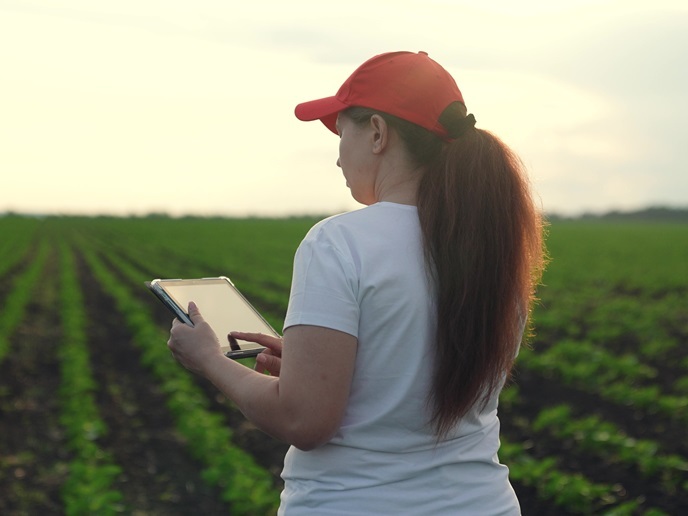
Agroecology focuses on working with natural processes to create diverse, resilient and low-input farming systems. But digital tools for agriculture have often been developed with industrial models in mind, designed to optimise yields rather than biodiversity. “Agroecology is based on both science and traditional knowledge,” explains PATH2DEA(opens in new window) project coordinator Stefan Pfeiffer from the Austrian Institute of Technology(opens in new window). “We wanted to see how digital technologies could support that mix, helping farmers to work with nature more effectively.” Pfeiffer adds that this was central to the project’s vision. “The big question for us was how digital tools can really enable agroecology,” he says. “They should make it easier for farmers to work with nature, not push them towards more intensive systems.” To understand adoption barriers, the project carried out an EU-wide survey in nine languages. With 533 responses from farmers, advisers and organisations across eight countries, it revealed key obstacles: complex interfaces, high costs, lack of training and concerns about data ownership and security. Farmers, particularly those with smaller or more diverse holdings, worried about losing control over their information and becoming dependent on technology suppliers.
Learning from Europe’s pioneer farms
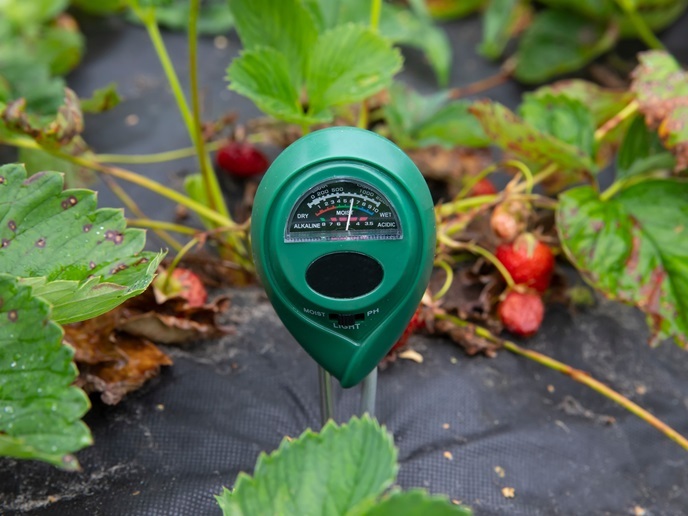
PATH2DEA then took its research into the field. Six showcase farms and cooperatives in Belgium, France, Hungary, Italy and Spain provided testing grounds for digital innovation. Each site represented a distinct system: glasshouse horticulture, viticulture, mixed farming, walnut agroforestry, olive groves and extensive organic cattle farming. Rather than developing new tools, the project studied existing ones to see how they could be adapted to agroecological farming. In Belgium, sensors helped farmers monitor shade and water demand in walnut-based systems. In Italy, a biodiversity app enabled smallholders to track pollinators and insects as indicators of ecosystem recovery. Across sites, farmers and advisers used these insights to refine crop management and test how digital support could enhance decision-making.
Connecting farmers and developers
A key output is the PATH2DEA Open Repository, an online platform connecting farmers, advisers and technology providers. Designed to be low maintenance and user-friendly, it lets users explore, evaluate and recommend digital tools suited to specific crops, climates and management goals. Real examples and success stories from the showcases help farmers see how others apply similar tools, encouraging developers to adapt solutions to practical realities. The project also established an evaluation framework for digital tools based on agroecological principles, and policy recommendations stressing open-access data, transparent governance, local training hubs and cooperative business models that share both costs and benefits.
A digital agroecology roadmap
Another of PATH2DEA’s key outputs is a 10-year Research & Innovation roadmap that outlines how digitalisation can support agroecological farming system transformation, also in line with the European Green Deal(opens in new window) and the common agricultural policy(opens in new window) (CAP) objectives. The project’s recommendations will feed into the European R&I AGROECOLOGY Partnership(opens in new window). PATH2DEA also promoted farmer-led trials and knowledge sharing, echoing the goals of EIP-AGRI(opens in new window) networks that link on-farm innovation with EU research and policy. Across its pilot farms, digital tools helped improve biodiversity monitoring, water use and crop management in Europe’s main climate zones. To sustain momentum, PATH2DEA has initiated the Digital Agroecology Cluster(opens in new window), bringing together seven Horizon Europe projects and one co-funded Partnership(opens in new window) in exploring the interface between technology and agroecology, including REFOREST and D4AgEcol. A Cluster Conference in Brussels in November 2025(opens in new window) showcased findings and shaped the next steps for research and policy. “Our aim was to show that digital tools can really support agroecology and not overburden farmers,” notes Pfeiffer. “If we use them in the right way, they can help agroecology grow while keeping its local and traditional roots.” For Europe’s farmers, that means using innovation to strengthen what nature already does best.