


Advanced technologies for growing resilient, sustainable crops


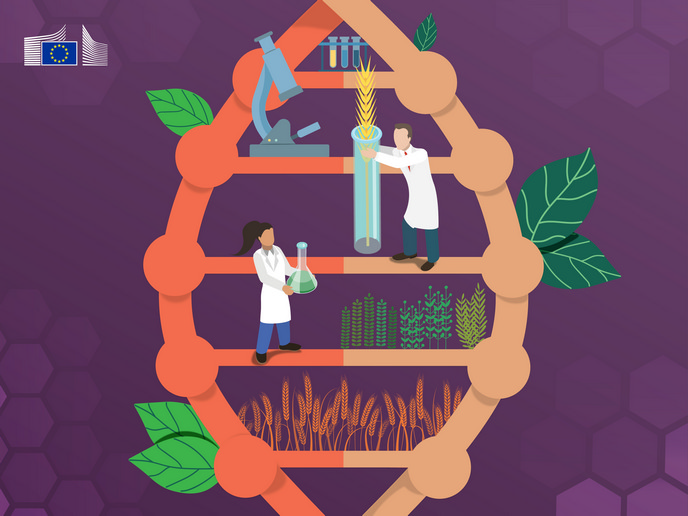
Plants are not only the foundation of our agri-food system but also supply feed, fibres and bio-based materials essential for our transition to a sustainable bio-based economy. Plant genetic resources (PGRs), such as seeds, tissues and DNA, are used for breeding crops with higher nutritional value and adaptability to specific growing conditions. These new and improved varieties are also more resistant to climate stress, pests and diseases. Europe enjoys a wealth of PGRs, which play a key role in feeding its citizens, as well as kick-starting an innovative bioeconomy and helping conserve genetic diversity. The Plant Genetic Resources Strategy for Europe(opens in new window), published by the European Cooperative Programme for Plant Genetic Resources, ECPGR(opens in new window) is a key outcome of the EU-funded project GenRes Bridge(opens in new window). The document lays out the strategic vision for the long-term conservation and sustainable use of PGRs in breeding and research across Europe. The importance of an innovative, competitive breeding sector that can respond to environmental and societal challenges while supporting Europe’s strategic autonomy in food production is further highlighted in the Communication titled A Vision for Agriculture and Food(opens in new window). In addition, the Communication Building the future with nature: boosting biotechnology and biomanufacturing in the EU(opens in new window) promotes innovation as a driver of sustainability and competitiveness, creating a supportive environment for research and innovation in advanced breeding and biotechnology. This CORDIS Results Pack highlights projects that support the plant breeding sector from multiple perspectives, from enhancing the collection and use of PGRs to researching and developing innovative plant-breeding technologies to provide the genetic variation necessary for future crops. The initiatives include improved tools for variety testing, collaborative research on breeding protein crops and underutilised species, the development of environmentally sustainable crops to help combat climate change, and the exploration of novel breeding technologies and AI to increase crop resilience. Moreover, the Pack spans all levels of technological development and Horizon funding tools, from fundamental research to applied innovation and start-up acceleration. It supports plant breeding, underlining the collective impact of EU funding for research and innovation in this sector, and it also strengthens agricultural production and competitiveness across the EU. The 14 selected EU-funded projects contribute to overcoming the current challenges facing the plant-breeding sector. This involves developing innovative methods for conserving, studying and utilising genetic resources at the European level. These discoveries include new tools and strategies for breeding crops capable of withstanding multiple simultaneous stresses, while adapting to a more localised, diversified and sustainable food system. The PRO-GRACE project laid the foundations for a European research infrastructure dedicated to PGRs. EMPHASIS-GO, a pan-European network of plant phenotyping facilities, has put Europe at the forefront of sustainable agriculture, plant-based innovation and climate resilience. Plant-a-Jet created a high-throughput platform for delivering genetic material directly into plant cells with high precision. POLYPLOID translated evolutionary insights into practical breeding tools. InnoVar developed an innovative plant variety testing and decision-making system. AGENT turned gene banks into bio-digital resource centres. INCREASE worked with citizen scientists to improve edible legume genetic resources. RADIANT promoted underutilised crops to boost farm resilience and increased agrobiodiversity. BreedingValue improved breeding tools available for strawberries, raspberries and blueberries. GEN4OLIVE characterised over 500 olive varieties and built an online free database. HARNESSTOM developed pre-breeding programmes to increase disease resistance and climate resilience in tomatoes. Meanwhile, ADAPT investigated how different potato varieties respond to changing environmental conditions, whereas 3P-Tec designed three-parent breeding technology for potato crops. Finally, Crop4Clima developed rapeseed varieties that absorb more CO2 and require less water.
