Participatory science drives food legume genetic conservation

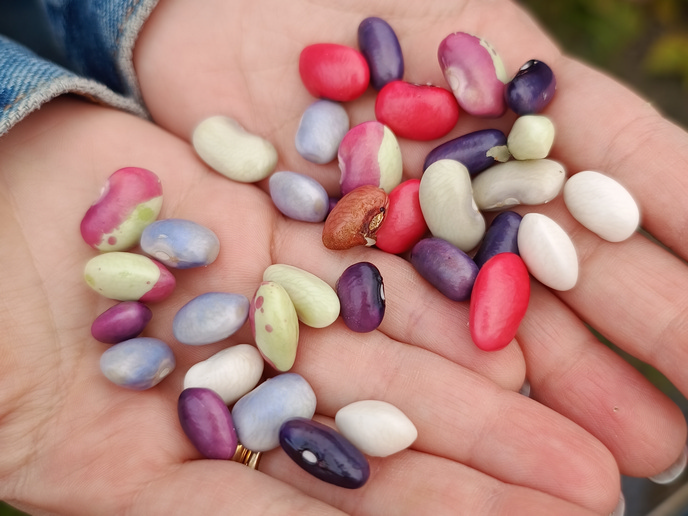
Food legumes – such as beans, lentils, chickpeas and peas – are a healthy source of plant-based proteins for human consumption. They are also a cornerstone of sustainable agriculture, with their nitrogen fixation improving soil health and reducing the need for energy-intensive fertiliser and pesticide production. In addition, they support biodiversity, with their species variability, flowers and plant structures supporting pollinators and overall ecosystem health. Increasing domestic production of plant proteins is a key objective of the EU, as stated in the Vision for Agriculture and Food(opens in new window). The six-year EU-funded INCREASE(opens in new window) project, ending in April 2026, has focused on improving the conservation, characterisation and use of Europe’s food-legume plant genetic resources, specifically of the chickpea, common bean, lentil and lupin.
Food-legume genetic resources: data, tools, technologies and plant materials
INCREASE has developed innovative data management solutions, including ‘gold standards’ for data sharing and data integration from decentralised into central infrastructures. Collection of decentralised data, supported by clear methodologies and best practices, has enhanced the value and effective use of new information, further augmented by user-friendly visualisation tools. In addition, ‘intelligent collections’ – nested core germplasm collections of different sizes – have captured the full genetic diversity of each crop and improved accessibility for research, breeding and sustainable use. “Adoption of advanced genotyping and phenotyping technologies combined with AI has enabled scientists to better identify and characterise traits of highest relevance to users,” explains INCREASE project coordinator Roberto Papa of Marche Polytechnic University(opens in new window). Furthermore, these technologies have led to new knowledge and capabilities, such as gene discovery or genomic prediction, easily accomplished with a web-based search and visualisation tool to identify appropriate sources of germplasm. Finally, engagement of non-European partners and international organisations has expanded INCREASE’s scope and reach while adding benefits for European users, including the integration of existing international data and genetic resources into databases.
2024 EU Grand Prize for citizen science
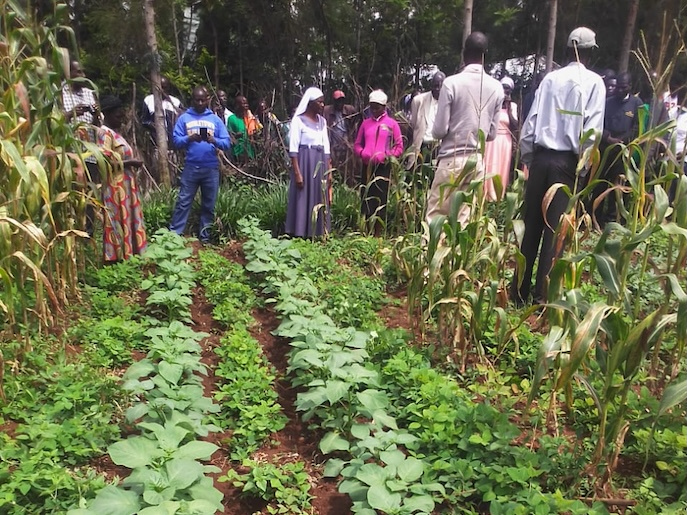
INCREASE’s citizen science experiment(opens in new window) (CSE) has involved the public (e.g. citizens, schools, farmers, associations) in a large-scale scientific experiment, with more than 26 000 participants as of December 2025. “With a decentralised conservation approach, citizens participate in conservation and evaluation of legume plant genetic resources from gene banks, typically accessible only to expert users,” notes Papa. Participants receive seed kits with a randomised combination of six common bean varieties (more than 1 100 varieties are used in the experiment) and a control line. The citizen science app(opens in new window) ‘INCREASE CSA’ guides them through the growing season and enables them to submit information like flowering time and seed size, pictures of plant characteristics and photos of foods prepared with their harvested beans. It also allows users to search for specific traits and request beans from fellow EU citizens, promoting seed exchange, participatory biodiversity management and decentralised conservation. “The app’s blockchain-based system acts as legal and digitally traceable framework, integrating image analysis and AI. It supports secure exchange of data and germplasm and legal compliance with the Standard Material Transfer Agreement of the Food and Agriculture Organization’s International Treaty on Plant Genetic Resources for Food and Agriculture,” adds Papa. INCREASE won the prestigious 2024 EU Grand Prize for Citizen Science(opens in new window) for its significant contribution to building a more inclusive, sustainable European society and to advancing scientific knowledge through citizen participation. INCREASE and its citizen scientists have achieved a step change in Europe’s legume conservation efforts and paved the way to the identification of novel climate-resilient varieties, supporting food security and healthier food systems.