Accelerating the inventory of life on Earth through genomics

An estimated 25 % of known species are threatened with extinction, according to the Intergovernmental Science-Policy Platform on Biodiversity and Ecosystem Services (IPBES)(opens in new window). To prevent this loss, not only must we protect habitats but also gain a far deeper understanding of what species exist, how they function and how they respond to rapid environmental change. However, biodiversity information remains fragmented, limiting the effectiveness of conservation and restoration efforts.
A genomic step change for biodiversity knowledge
The EU-funded BGE(opens in new window) project was launched to close this gap by accelerating the application of genomic science to biodiversity research, monitoring and management. The project brings together 33 partners from 20 countries, uniting research institutes, museums, sequencing centres and biodiversity experts. BGE employs complementary genomic approaches, DNA barcoding and full reference genome sequencing into a single coordinated European effort. DNA barcoding(opens in new window) enables rapid species identification using short DNA sequences, while reference genome sequencing(opens in new window) decodes entire genomes, revealing how species function and adapt. By aligning these approaches, BGE opens the door to a major shift in how biodiversity is characterised, monitored and protected across Europe.
Scaling up data generation across Europe
From the DNA barcoding perspective, the project has focused strongly on building a pan-European community of practice for DNA barcoding, enabling the sharing of samples, expertise and data through initiatives such as iBOL Europe(opens in new window). This collaboration is essential given the urgency and scale of biodiversity loss. BGE’s barcoding stream has also had a major focus on upscaling the generation of DNA sequencing of museum specimens. “BGE efforts in this area capitalise on the hundreds of millions of specimens held in European museums,” explains Peter Hollingsworth, leader of the DNA barcoding stream. “It is a major step forward in building a DNA-based reference library of European biodiversity to support rapid species identification.” “By fostering knowledge exchange among sequencing centres and implementing a collaborative ‘buddy system’ for genome assembly review, BGE has improved problem-solving and ensured that genome assemblies meet global standards,” outlines Camila Mazzoni, leader of the genome sequencing stream.
From genomic data to real-world applications
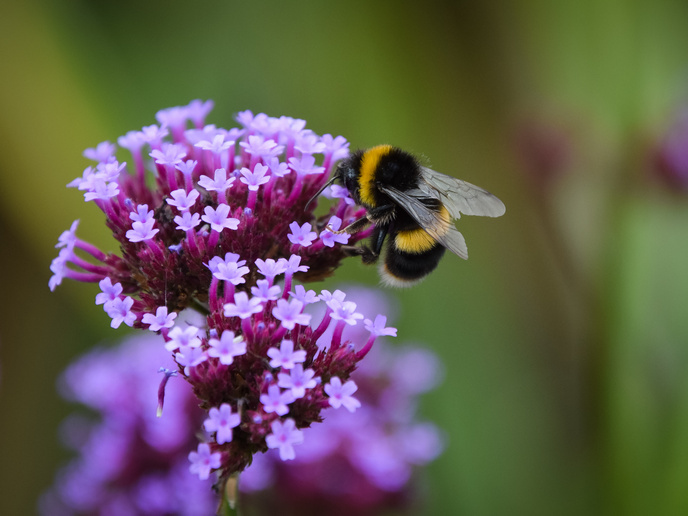
While many barcoding datasets have only recently been completed, their future impact is already clear. Curated genomic resources for European pollinators will serve to underpin monitoring of insect health in Europe. Reference genome data are already informing more immediate management decisions. Genomes generated for species such as Atlantic mackerel and Culex mosquitoes allow the identification of single nucleotide polymorphisms (a form of DNA variation) that can be used for example to improve fisheries management or track insecticide resistance respectively.
A model for coordinated European action
The most significant achievement of BGE is demonstrating that genomic research for biodiversity can be scaled through coordinated European action. “BGE is building a model for scaling genomic knowledge production while ensuring that data and infrastructure are shared efficiently,” highlights Dimitris Koureas, BGE director and scientific coordinator. As BGE concludes, the plan is to continue its legacy through sustainable mechanisms for cross-border collaboration, innovation and policy alignment. Together, these efforts aim to lay the foundations for a future European research infrastructure in biodiversity genomics that will contribute to biodiversity restoration and conservation.