How science is helping reverse the decline of wild pollinators

The gentle buzz of bees and the flutter of butterfly wings: these are the sounds and sights of ecosystems at work. Yet across Europe, wild pollinators are declining. The stakes are high, as more than 75 % of global food crops depend, at least in part, on pollinators, according to a global study(opens in new window). To help reverse wild pollinator losses, the EU-funded Safeguard(opens in new window) project brings together 22 partners from 14 European countries and three universities in China. Combining environmental, economic and societal perspectives, the project aims to understand the drivers of pollinator declines and identify which actions are most effective to protect them. “The key innovation lies in linking high-quality biodiversity data with large-scale environmental data across Europe,” explains project coordinator Ingolf Steffan-Dewenter. “This allows consistent analyses of how major environmental pressures and drivers shape pollinator communities and plant-pollinator interactions at scales relevant for both policy and management.”
Mapping pollinator decline
One of the project’s main achievements is the development of publicly accessible databases on pollinator distributions, traits and interactions. These include the European Plant-Pollinator Networks database (EuPPollNet)(opens in new window), the largest compilation of pollination interaction studies at European level to date. It gathers data on 2 223 pollinator species and 1 411 plant species, covering around one third of Europe’s main pollinator groups such as bees, hoverflies and butterflies. Using these and other datasets, based on more than 13 million individual observations, Safeguard applied robust models to assess population trends, extinction risks and future environmental impacts. A major outcome is an updated European red list of bees(opens in new window), showing that 10 % of wild bees in the region are now at risk of extinction. The list is crucial to informing conservation priorities and EU policies, including the Nature Restoration Regulation(opens in new window). The project showed that pollinator declines are rarely driven by a single pressure. “Pollinators are affected by combinations of pressures, and the direction and strength of these effects depend on environmental context,” says Steffan-Dewenter. For example, warmer temperatures led to regional community homogenisation and reinforced wild bee decline in agricultural landscapes, particularly in drier climates. Landscapes with more semi-natural habitats mitigated the effects of extreme weather on cold-adapted species.
What works to protect pollinators
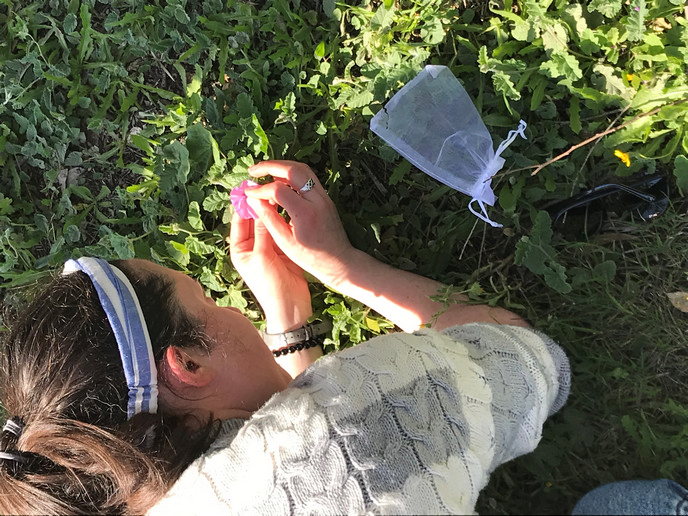
Safeguard also collected empirical data on bee, butterfly and hoverfly diversity in more than 300 high-value protected areas. These field studies demonstrated the importance of local habitat quality, floral diversity and nesting sites to pollinator diversity. At a larger scale, organic farming, connected habitats and small crop fields with high edge density in agricultural surroundings proved to benefit pollinator communities in protected areas. The project also tested pollinator-promoting interventions, identifying effective measures such as reduced mowing frequency, mosaic mowing systems and flower sowing with native perennial species. To support decision-making, Safeguard developed an integrated assessment framework based on the driver-pressure-state-impact-response model, adaptable from local to European scales. Alongside this, the Safeguard knowledge exchange hub(opens in new window) provides access to data, tools and insights for researchers, practitioners, citizens and policymakers. As Steffan-Dewenter mentions, there is a need for “multiple and integrated actions to halt pollinator and wider biodiversity decline.” Safeguard has built the scientific foundation to guide those actions, providing evidence to understand pollinator patterns and anticipate future challenges across Europe.