Saving farms, ecosystems, and the economy from invasive insects

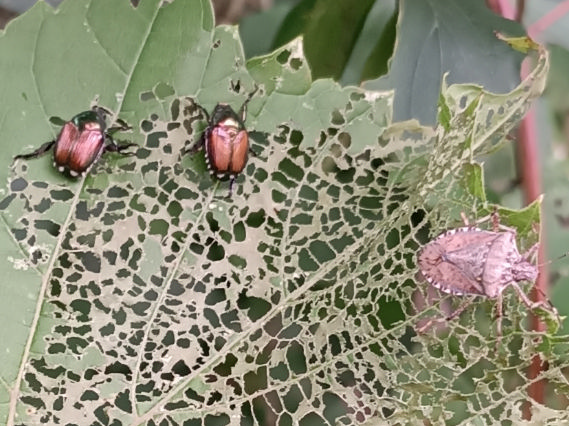
Invasive herbivorous species cause economic damage to crop yield and quality. They may also alter arthropod populations that naturally occur in the same habitat. Mechanisms of direct and indirect competition or facilitation may contribute to unpredictable decline of some native species, as well as to outbreaks of others.
Research gap in studying pest interactions in arthropod communities
Through regulation(opens in new window), the European Commission was quick to act to prevent or minimise the negative impact of exotic species within the EU. Understanding how pests differently use resources and how their interactions with other species influence their survival, spread, susceptibility to natural enemies and crop damage has become a research priority. Yet, these ecological interactions remain poorly understood. With funding from the Marie Skłodowska-Curie Actions programme, the PESTNET(opens in new window) project addressed the ecological threats posed by two highly invasive alien crop pests. The focus was on the brown marmorated stink bug (Halyomorpha halys) and the Japanese beetle (Popillia japonica), which adversely affect agriculture and disrupt local environments in Europe and Canada.
Uncovering the hidden impact of invasive stink bugs on native species
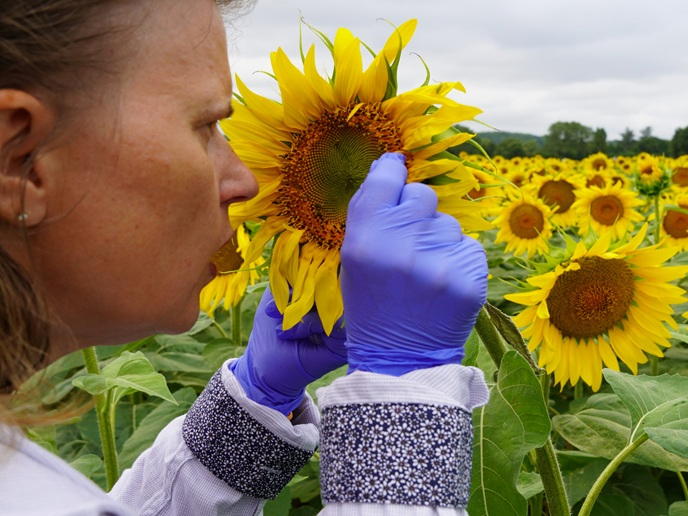
PESTNET aimed to improve our understanding of how these invasions impact local ecological networks. Under certain conditions, the brown marmorated stink bug may outcompete native species. One possible explanation lies in the differential use of glycogen and lipid reserves, which ensure high overwintering survival. PESTNET also examined key challenges that may affect the performance of an egg parasitoid – a beneficial insect used to control the brown marmorated stink bug – under natural field conditions. Results highlighted potential constraints to the parasitoid, such as impaired foraging behaviour due to mass rearing on non-target hosts and to pesticide exposition, both of which should be considered when planning biological control. PESTNET disclosed the host-location strategy of Istocheta aldrichi, a tachinid fly that is a candidate biocontrol agent of the Japanese beetle, showing that host finding follows a hierarchical behavioural process involving successive habitat and host location stages. By demonstrating the specific response of the fly to volatile compounds (odours) emitted by the co-evolved plant-beetle complex, while ignoring those associated to non-target beetle species, the researchers provided useful information on the ecological safety of potential introduction programmes in the EU.
Turning research into tools to fight invasive pests
The scientific findings led to practical applications. There are recommendations(opens in new window) for mass rearing and release of the parasitic wasp Trissolcus japonicus(opens in new window), a field guide(opens in new window) to engage farmers and the general public in monitoring(opens in new window) brown marmorated stink bugs and native stink bug populations, as well as data to tailor decision support systems (DSSs) to be used for stink bug integrated pest management. “We laid important foundations for the development of new basic and applied research projects, aiming at the implementation of sustainable control measures against the Brown marmorated stink bug, such as biological control with egg parasitoids and of DSSs for stink bug management,” concludes Eric Conti, entomology professor at the Università degli Studi di Perugia in Italy that coordinated the project. “Additionally, biocontrol solutions against the Japanese beetle are urgently needed in the EU, and we provided useful insights into the biology of a promising parasitic fly. These results were achieved thanks to the collaboration between academic and industrial partners.”