Closing the nutrient circle: addressing regional differences and similarities

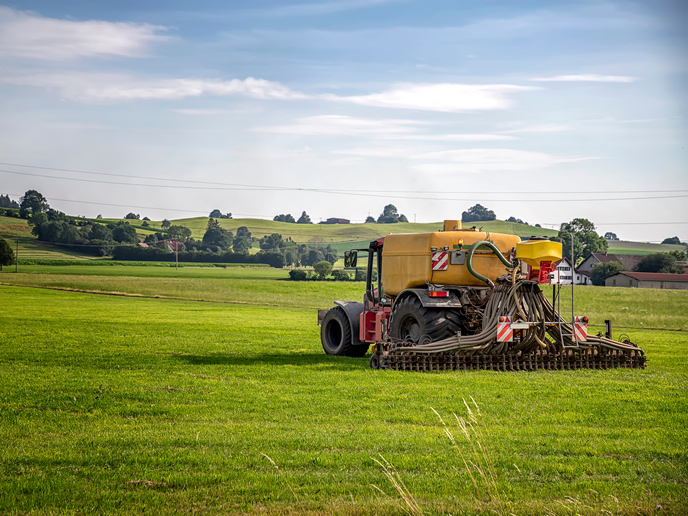
Synthetic nitrogen and phosphorous fertilisers dominate European agriculture while enormous quantities of nutrient-rich organic waste are discarded or underused. This linear economy is bad for farmers and the environment. The EU-funded NOVAFERT(opens in new window) project set out to close the nutrient circle, supporting alternative bio-based fertilisers in a sustainable circular bioeconomy with greater self-sufficiency. Bringing together researchers, farmers, businesses and policymakers, the project demonstrated how circular nutrient recovery systems can function under real conditions across Europe.
An inventory and an atlas documenting technologies, products and living labs
The NOVAFERT project focused on six secondary raw materials – treated manure, digestate, sewage sludge, wastewater, biowaste and biological by-products. The project catalogued 92 nutrient recovery technologies and 125 alternative fertiliser products into a publicly accessible online inventory(opens in new window). It also created an atlas(opens in new window) of 50 nutrient-oriented living labs in Belgium, Spain, Finland, Croatia, Ireland and Poland, from which seven lighthouse demonstrations were selected.
Local contextual differences, shared systemic barriers
Regional working groups engaged stakeholders on their region-specific agricultural, regulatory and environmental landscapes related to specific waste streams. Northern livestock-intensive regions wrestled with nitrogen and phosphorous excess from manure, whereas drought-prone southern Spain prioritised integrated water-nutrient reuse. Central and eastern Europe faced infrastructure gaps and underdeveloped local markets for recycled-fertilisers. “Surprisingly, all regions faced the same systemic barriers: regulatory uncertainty, farmer scepticism, weak local value chains and a lack of practical guidance,” explains project coordinator Erik Meers of the International Thematic Network Re-Source at Ghent University(opens in new window). The lighthouse demonstrations addressed and shed further light on both local and systemic challenges to a circular bioeconomy. Tailored circular fertilisers – from compost and digestate application to struvite recovery and blood hydrolysate fertilisers – were validated in farmer-centred knowledge exchange models, building trust. High start-up costs, complex regulations and public concerns about recycled materials used in agriculture were consistent obstacles. Farmers adopted circular solutions more readily when they included advisory support and demonstrated clear economic value – lower fertiliser costs, improved soil health, renewable energy production and new rural income streams. Governance and local trust were equally important as technology. “Circular business models work best when farmers, researchers, businesses and local authorities work together. Better policy support, financing, farmer training and clear regulations support greener agriculture while boosting rural economies and resilience,” notes Meers.
From evidence to policy – and lasting change
Regional action plans identified shared priorities to achieve a circular bioeconomy, including better EU-national regulatory alignment and inter-regional coordination, integrating nutrient recovery into waste and water management policies. Additionally, economic incentives for farmers and industries, better communication to improve public perception of bio-based fertilisers and long-term agronomic performance data are needed. Standardised sustainability assessment tools for bio-based fertiliser products were lacking, making comparison of environmental footprints – from carbon sequestration potential to nitrogen leaching risk – nearly impossible. "A harmonised, ‘product environmental footprint’-compliant methodology, validated across 15 case studies and 270 scenarios, has been submitted to the European Commission’s Joint Research Centre (JRC) and the Directorate-General for Environment (DG-ENV) as a framework for future policy decisions,” says Meers. Additionally, four policy briefs addressed ‘recovered nitrogen from manure’ (RENURE), a term first introduced by the JRC in its 2020 report(opens in new window) on the DG-ENV-mandated investigation into the safe use of processed manure. “Direct engagement of all 27 EU Member States directly contributed to the landmark 2025 amendment to the EU Nitrates Directive, formally integrating RENURE into legislation,” Meers underscores. This paradigm shift in nutrient recovery governance together with NOVAFERT’s data, tools and regional stakeholder networks could accelerate Europe’s circular economy research and implementation in European agriculture.