Reconstructing brain circuits with stem cell technology

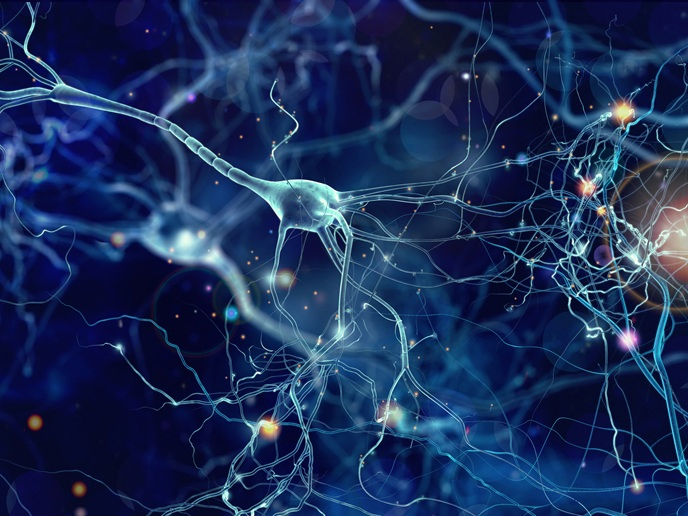
As Europe ages, the incidence of debilitating and incurable neurodegenerative diseases has increased. They are the leading cause of disability in Europe(opens in new window), affecting 1 in 3 people, and current treatments are largely confined to providing symptomatic relief. The NSC-Reconstruct(opens in new window) project sought to advance regenerative medicine so that damaged brain tissue can be repaired with implanted neural cells crafted from stem cells. “Neural cell replacement, based on stem cell technologies and on cellular reprogramming, is one of the most promising future therapeutic options,” explains project coordinator Elena Cattaneo, a professor of pharmacology at the University of Milan(opens in new window) in Italy. “Our hope is that neural regenerative treatments tailored to the needs of different diseases such as Parkinson’s disease (PD) or Huntington’s disease (HD) could one day reach millions of patients globally.”
Countering immune system rejection
The project combined several innovative biotech approaches, including stem cell engineering, viral vector design, chemogenetics(opens in new window), spatial proteomics and advanced imaging. The project began by developing improved protocols to turn stem cells into neurons that degenerate in PD or HD. These included midbrain dopaminergic neurons, medium spiny neurons and basal forebrain cholinergic neurons. To assess whether these cells would be taken up successfully, a stem cell line named H9-Bi-DREADD was developed, which could be activated or deactivated through the administration of specific molecules. This enabled the team to modulate graft activity after transplantation. “Finally, we addressed immune system rejection, one of the major challenges in regenerative medicine,” says Cattaneo. “We achieved this by developing genetically modified hypo-immune cells to improve graft survival.”
State-of-the-art regenerative medicine
The project generated several key scientific and technological advances(opens in new window) in brain regenerative medicine. “One major outcome has been the development of new tools for the quality control and characterisation of stem cell-derived dopaminergic progenitors,” adds Cattaneo. These are essential for developing cell therapies for disorders such as PD. Two of these innovations have already been commercialised as kits: reagent panels for identifying dopaminergic progenitors, and a quality control assay for the manufacturing of dopaminergic progenitor cells. The project also generated several other important innovations that are currently being further exploited. These include a microscopy platform for multiplexed protein expression analysis and an assay designed to assess the immunogenicity of stem cell-derived grafts. For patients, long-term benefits include the possibility of moving beyond treatments that only alleviate symptoms towards therapies that restore lost neuronal function. “By replacing damaged neurons and reconstructing neural circuits, these approaches could potentially improve motor and cognitive function and significantly enhance quality of life for patients,” explains Cattaneo.
Towards first-in-human clinical trials
Next steps include advancing the most promising technologies towards clinical translation. Another important step will be the standardisation and scaling of cell manufacturing protocols, including robust quality control systems, to meet regulatory requirements for clinical-grade production. “Continued work is needed to address key translational challenges, including improving graft survival, ensuring functional integration into host neural circuits, and minimising immune rejection,” notes Cattaneo. “Advances such as hypo-immune cell lines and immunogenicity testing assays developed in the project will play an important role here. Ultimately, these efforts will pave the way for first-in-human clinical trials, where the safety and therapeutic potential of these regenerative strategies can be evaluated.”