Learning from freshwater restoration in practice

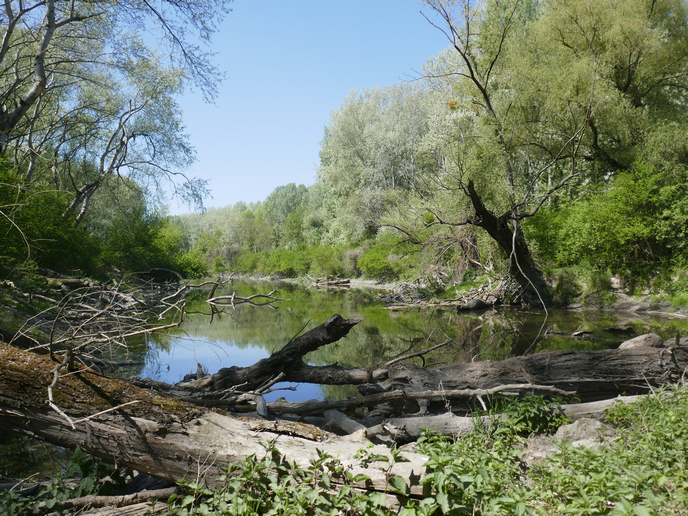
In a world heavily impacted by an ever-changing climate that affects the environment and endangers lives and resources, what if we could turn to nature for solutions? The EU-funded MERLIN(opens in new window) project set out to demonstrate how we can address biodiversity loss, climate change and water security concerns by focusing on the large-scale natural restoration of freshwater ecosystems.
An integrated approach to freshwater restoration
MERLIN brought together 47 partners to implement and assess restoration actions in 18 demonstration sites(opens in new window) across Europe. The team comprised ecologists, hydrologists, economists, social scientists and governance experts, and it worked closely with restoration practitioners, public authorities, NGOs and businesses implementing restoration on the ground. “Bringing together scientific expertise with the practical experience of those planning and delivering restoration allowed MERLIN to develop solutions that are scientifically robust, grounded in real-world experience, and directly relevant for policy and practice,” says project coordinator Sebastian Birk of the University of Duisburg-Essen, Germany. Restoration actions took many forms, depending on local ecological and societal context. At the Emscher catchment in Germany, for example, sections of the river were transformed into functioning ecosystems, simultaneously reducing flood risk, improving water quality and enhancing quality of life for local communities. At the Komppasuo site in Finland, MERLIN restored natural water levels in drained peatlands, helping to recover peatland habitats, improve biodiversity and reduce greenhouse gas emissions from degraded peat soils. To evaluate these actions, the project monitored biodiversity and ecosystem functioning and services, and it conducted economic, governance and policy analyses. “This integrated approach allowed MERLIN to assess not only whether restoration works ecologically, but also how it can be implemented effectively, financed sustainably and scaled up across Europe,” emphasises Birk.
Exploring the private financing route
MERLIN also explored funding diversification possibilities(opens in new window) in the water restoration sector. The private funding path represents a significant asset in advancing Europe’s environmental rehabilitation ambitions. One of its actions was to identify and assess off-the-shelf instruments(opens in new window), such as green bonds, blended finance and payments for ecosystem services, for their potential to support freshwater restoration. It also established the Zero Risk Nature Acceleration Programme(opens in new window), which developed investable restoration concepts through tailored mentoring, business model design and engagement with financial experts. While private financing in nature restoration is promising, it is still at an early stage. By identifying and testing suitable financing pathways and highlighting the conditions needed to attract investors, MERLIN prepared the ground for future investments in the field.
Cross-sectoral collaboration: a strong indicator of success
During its lifetime, MERLIN successfully implemented 42 freshwater restoration actions across Europe. This was in large part possible thanks to the partners’ strong commitment and collective efforts. While this is a significant achievement, perhaps one of the project’s most impactful outcomes is the discovery that restoration success often depends less on the technical design of a measure than on the governance context in which it was implemented. “This reinforced the importance of viewing ecosystem restoration not simply as an environmental intervention but as a long-term societal endeavour requiring collaboration across sectors and disciplines,” says Birk. Overall, MERLIN leaves an important legacy by contributing to policy discourse surrounding the Nature Restoration Regulation(opens in new window). Additionally, it has provided evidence-based guidance on how to implement freshwater restoration solutions more broadly. “MERLIN has shown that large-scale restoration is both feasible and beneficial while also highlighting the governance, financing and implementation challenges that still need to be addressed. In that sense, the project has laid important foundations for the next generation of freshwater restoration across Europe,” Birk concludes.