Nature-inspired tech accelerates living tissues growth

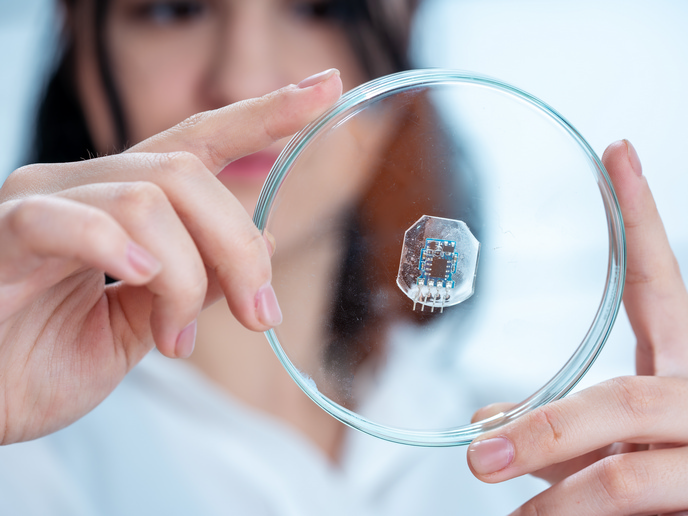
Nature has spent billions of years perfecting the construction of living tissues, but a groundbreaking EU-funded project is now learning from this process to speed it up in the laboratory. PRISM-LT(opens in new window), a five-year initiative running until 2027, has developed an innovative 3D bioprinting platform capable of creating complex living tissues from stem cells. At the heart of the innovation lies the concept of engineered living materials that utilise living cells that can grow, respond and adapt to their environment in ways conventional static materials cannot.
A symbiotic approach to bioprinting
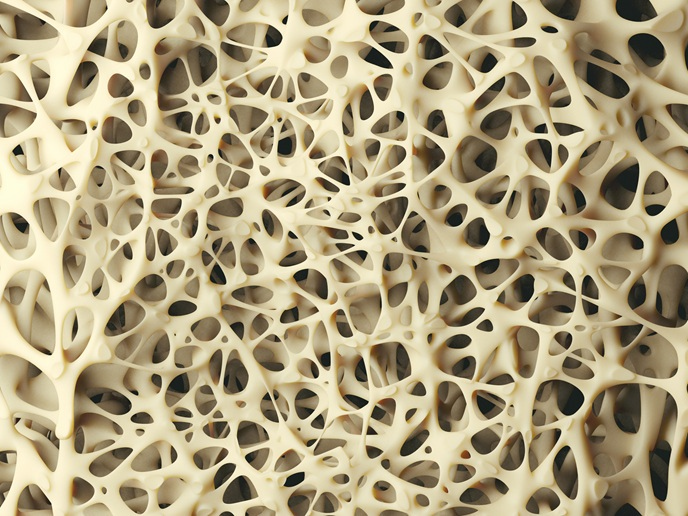
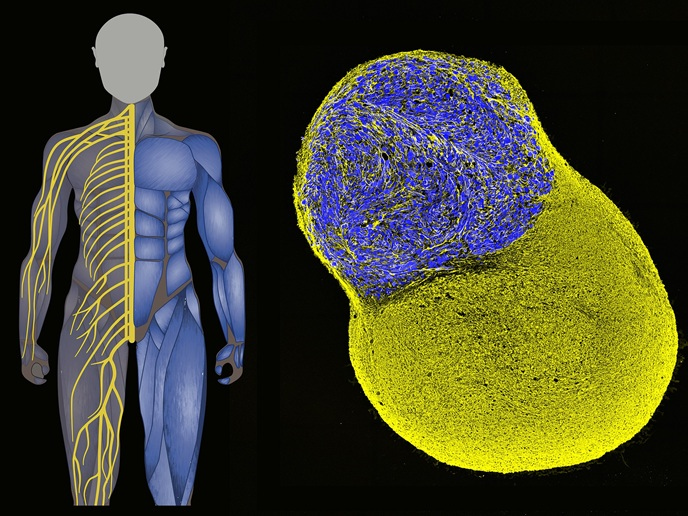
The PRISM-LT team has moved beyond conventional bioprinting methods, which often struggle to maintain cell viability and control development. Instead of printing a continuous stream of bioink, the researchers work with encapsulated living building blocks. These tiny capsules contain stem cells alongside a gel-like scaffold and genetically engineered helper microorganisms, such as yeast or bacteria. These microbes act as biological guides. They sense when the stem cells start developing into bone, fat or muscle tissue and respond by releasing specific growth factors that guide and sustain this process. This symbiotic relationship creates a self-regulating system where the microbes remain active only during the initial differentiation phase, ensuring robust and consistent outcomes without interfering with long-term tissue development. The manufacturing process is remarkably fast, taking minutes to an hour, followed by a three-week maturation period. While the team currently produces roughly one square centimetre of thin tissue, they are actively working toward scaling up to one cubic centimetre blocks. The primary challenge remains creating a stable environment for organisms that do not naturally coexist, such as yeast and stem cells. However, the project has successfully demonstrated that this feasible symbiosis can drive complex tissue formation.
From leukaemia research to cultivated meat
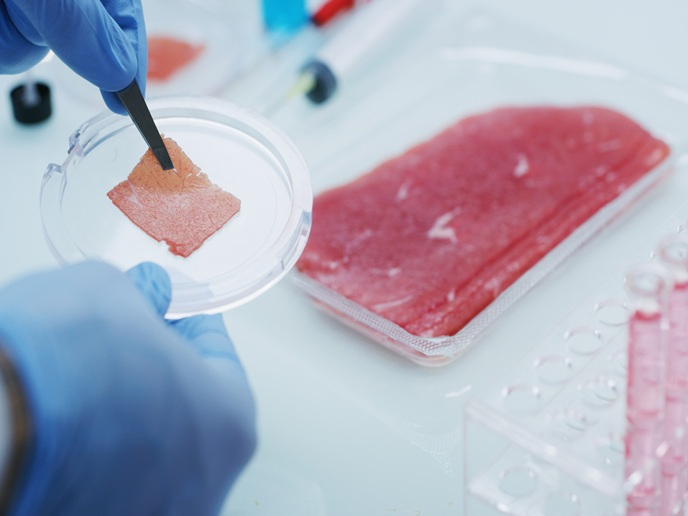
The platform is being tested on two distinct applications. In the biomedical sector, PRISM-LT aims to create 3D bone marrow models that replicate the interface between bone and fatty tissue. These models will serve as vital tools for preclinical research, particularly for studying drugs targeting conditions such as leukaemia and advancing personalised medicine. The project is also addressing a major hurdle in the food industry: the texture of cultivated meat. Most lab-grown meat fails to reproduce the natural marbling of real meat that is crucial for consumer acceptance. Laura Martinelli, CEO of PRISM-LT project coordinator INsociety, Italy, highlights the significance of this achievement for the food sector in a ‘Horizon, The EU Research & Innovation Magazine’ article(opens in new window): “Thanks to our bioprinting technology, we can achieve the right texture in alternative meats, which creates an opportunity to bring it to the market.” Beyond technical success, PRISM-LT (PRInted Symbiotic Materials as a dynamic platform for Living Tissues production) is also engaging with regulators, including the European Medicines Agency, to explore legal frameworks for these living materials. While real-world applications are still on the horizon, PRISM-LT has proven the feasibility of a flexible, sustainable method for manufacturing living tissues, helping to revolutionise both healthcare and food systems of the future. For more information, please see: PRISM-LT project website(opens in new window)