


Safeguarding groundwater and drinking water from climate impacts

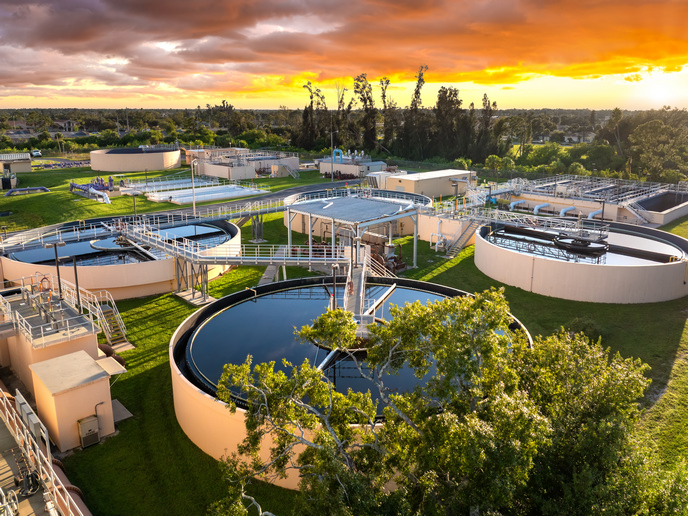
Climate change and water are closely connected. From erratic rainfall and melting ice sheets to rising sea levels, severe droughts and major floods, water is at the heart of a range of major climate impacts. Our economy, our food, and our daily lives rely on water, yet access to this vital resource is in danger. Europe must secure its water supply and prepare for water crises. With global demand projected to outstrip available supplies by 40 % before 2030(opens in new window), urgent action is required to protect both the quality and quantity of water everywhere. A warming climate degrades water source quality used for drinking water production by increasing pathogen growth, worsening pollutant run-off from extreme weather and complicating water treatment processes. Furthermore, groundwater is also under growing pressure from climate change and an altered environment, which affect both water availability and water quality. Drought and increasing water demand from various sectors can intensify groundwater depletion exacerbating water scarcity. In addition, heavy rainfall and flooding, sea-level rise and saline intrusion can increase water-quality risks in vulnerable areas. At the same time, agriculture, urbanisation and other human activities can introduce nutrients, pharmaceuticals, polyfluoroalkyl substances and other emerging contaminants into groundwater and into other drinking water sources. This CORDIS Results Pack highlights eight EU-funded RIA projects dedicated to protecting water quality against the impacts of climate change. These initiatives contribute to a better understanding of pollution sources, pathways and impacts, while deploying advanced prevention and mitigation strategies. Their scope covers the entire drinking water cycle and management of groundwater resources. Researchers developed innovative monitoring networks, advanced modelling techniques and risk management strategies for implementing early warning systems, improving water quality, and protecting the health of both humans and ecosystems. With more than 35 distinct case studies, these initiatives will increase EU’s knowledge and technological base while boosting the preparedness and competitiveness of its water sector. Ultimately, these efforts will help strengthen Europe’s leadership position in the global water sector. In line with the zero-pollution ambition of the European Green Deal, the knowledge produced through these case studies supports EU environmental legislation. The data helps protect groundwater while safeguarding drinking water consumers and advancing the EU’s water resilience strategy(opens in new window). The strategy provides a comprehensive roadmap designed to tackle severe climate and economic water pressures. It will help to ensure sustainable, clean and secure water resources across the continent in the years to come. It will also keep Europe's water sector, which already holds 40 % of all worldwide water patents, ahead of global competition. Europe's thriving water industry also generates EUR 107 billion in revenue and employs 1.7 million people. In addition, the projects created the ZeroPollution4Water Cluster(opens in new window) and worked closely together to enhance the impact of research projects in accelerating the transition to a Europe free from water pollution. They have produced a series of policy briefs and an EU publication presenting an overview(opens in new window) of their case studies as well as the monitoring and treatment technologies they tested. This Results Pack aims to serve the scientific community, policymakers, water utility companies as well as their research and innovation departments by supporting their efforts to protect water quality in the face of global warming and a changing climate. SafeCREW developed climate-resilient management strategies and tools for safe drinking water supplies across Europe. NIAGARA focused on understanding, monitoring and remediating contaminants in drinking water treatment plants. ToDrinQ built a toolkit to improve overall water systems operations. H2OforAll monitored and treated disinfection by-products within drinking water distribution systems, while intoDBP created the innovative tools and strategies needed to control them. NINFA combined monitoring, treatment technologies and risk assessment for groundwater pollution. MAR2PROTECT prevented groundwater contamination through next-generation managed aquifer recharge. Finally, UPWATER developed monitoring and modelling techniques to implement safe recharge water into aquifers.
