Preventing power plant corrosion

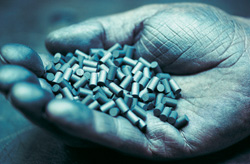
Meat and Bone Meal (MBM) is one of many by-products of the slaughter industry produced by rendering plants. Due to its high protein content, MBM was, until recently, used as animal feed. However, following the scare with mad cow disease, formally known as Bovine Spongiform Encephalopathy (BSE), MBM was prohibited as animal feed. Rather than condemning MBM to landfills, where it poses an environmental and health threat, European scientists started burning it in power plants to produce electricity. MBM is an ideal form of biomass due to its high energy content. However, it also contains chlorine, calcium and phosphor, all of which contribute to corrosion of the power plant. The Energy, Environment and Sustainable Development Programme funded the FBCOBIOW consortium to learn how to overcome these drawbacks. They experimented with various types of coal burned in combination with MBM. An 80MW power plant, outfitted with Fluidized Bed Combustion (FBC) technology, served as their test bed. Traditional high volatile bituminous (HVB) coal proved problematic as alkali metals served to transport the chlorine to the boiler where it caused significant damage. What proved to be the key was co-firing coal with a high aluminium silicate content. The FBCOBIOW consortium also highlighted the importance of not pre-treating coal with potassium or other substances that can deactivate the aluminium silicate. This work will enable wider adoption of MBM as a viable biomass substitute for coal and other fossil fuels, thereby helping to reduce emissions of greenhouse gases and other harmful pollutants. Its economic viability is also aided by the fact that many rendering plants must pay to have the MBM disposed.