Past, present and future stress levels on a ship

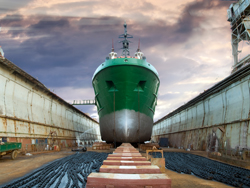
The captain's job of navigating a ship used to be purely a matter of skill, knowledge and experience. The evolution of decision support systems and on-board monitoring equipment for weather conditions and stress on the ship has taken a lot of the uncertainty out of the equation for both captain and crew. As vessels become larger and more technologically complex, support systems must develop accordingly. The EU-funded project Optinav has made a significant contribution by creating a system to track the stress levels experienced by a ship as it ages. A ship is like any other organism. The stresses and strains it has been through as a result of weather, loads etc take a toll unless appropriate repairs are done to reduce ship fatigue. The Optinav researchers tailored the monitoring system so stress fatigue for a vessel can be tracked, not only in the past, but at present and on future voyages. Tracking past stresses means that a complete picture of fatigue correlated with weather and sea conditions can be built up. During a journey, present stress levels on the boat can be compared with acceptable tolerance levels. The data can then be used to calculate how much more it can take and the remaining fatigue life of the ship. As for future planning, the integrated system can be also be used to plan the best route based on sea, ship and weather information. Short-term, it provides the captain with information on stresses the ship will be subject to over the following minutes to hours. Implications of the Optinav system are many and far-reaching for safety and reduction of operational costs. The project has built a comprehensive integrated predictive event management and captain support system based on real-time monitoring of the state of the ship integrated with external data from sea and weather. Valuable information from the fatigue tracking tool can be used for planned preventive maintenance. Insurers and future purchasers can assess the realistic fatigue life of the boat and therefore its value. The main benefactor is of course the captain with a reliable support system to take the guess work out of navigation.