Seed and cultivar innovation to support organic farming systems

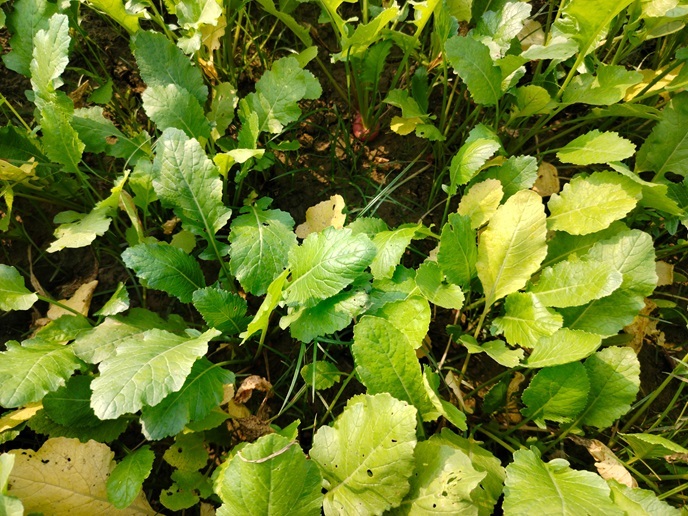
Despite a growing market for organic produce, European farmers are struggling to find suitable seeds and cultivars. According to Monika Messmer, scientific co-coordinator of LIVESEEDING(opens in new window): “In 2018 it was estimated that only about 50 % of seeds used in organic farming were actually organic(opens in new window). Most organic fields are cultivated with varieties developed for conventional farming, and seldom tested under organic conditions.” LIVESEEDING is increasing the availability of vigorous and resilient organic seeds and cultivars, across a range of crops. A central focus is testing and promoting varieties adapted for organic farming, alongside the creation of newly bred cultivars.
‘Pull–Push–Enable’ methodology
Organic farming can thrive if given access to cultivars specifically bred for the unique conditions and management practices of organic systems, such as avoiding synthetic fertilisers and pesticides. LIVESEEDING adopted a ‘Pull–Push–Enable’ methodology to: encourage market demand (pull); increase the availability and suitability of organic seeds from cultivars adapted to organic farming (push); and foster a supportive policy and regulatory environment (enable). The project unites 37 value chain organisations(opens in new window), from breeders to consumers, working through 17 local Living Labs across 16 European countries, focused on organic breeding, cultivar testing and seed production. “By introducing organic criteria at the start of the value chain, with seeds and cultivars, we can unlock pathways to more sustainable farming and food systems, grounded in LIVESEEDING biodiversity,” explains Mariateresa Lazzaro, scientific co-coordinator of LIVESEEDING.
Stakeholder participation
Responding to a lack of suitable varieties, the ‘Resilient Rice’ Living Lab in Italy created genetically diverse rice populations and promoted a ‘culinary breeding’ approach – combining genetics and gastronomy – with tasting panels formed by farmers, technicians, citizens and chefs. “Living Labs like this show how cooperation delivers innovative biodiverse and resilient local food systems,” adds Lazzaro. The rice populations are now in the organic heterogeneous material(opens in new window) (OHM) notification phase, a milestone for community plant breeding. The project is also building digital support tools(opens in new window) for population breeding management, OHM notification, and a user-friendly platform supporting farmers with cost-effective cultivar trials. Meanwhile, the EU router database links seed supplier offers to national repositories.
Planting the seeds of policies and practices
Thanks to the LIVESEEDING consortium, organic produce based on newly developed and heritage varieties are already reaching consumers, including onion and turnip sold in Swiss supermarkets and Blanco de Villena peppers in Spain. Running until September 2026, the project is now developing business plans to support the growth of the organic seed and breeding sector, with an emphasis on less developed markets, especially in eastern and southern Europe. LIVESEEDING also plays an active role in science–policy dialogues, supplying evidence to a variety of key regulatory topics. Annual seed policy conferences in Croatia, Poland and Portugal laid the groundwork for national roadmaps towards 100 % organic seed use, amplified by a 2025 webinar attracting over 100 participants, including seed suppliers. “By supporting policies that integrate cultivated biodiversity and organic seeds into urban agri-food systems such as community seed banks, municipalities are increasing people’s health and more food security,” says LIVESEEDING coordinator, Mariano Iossa from project host FiBL Europe(opens in new window).