



The sensory science shaping the future of food


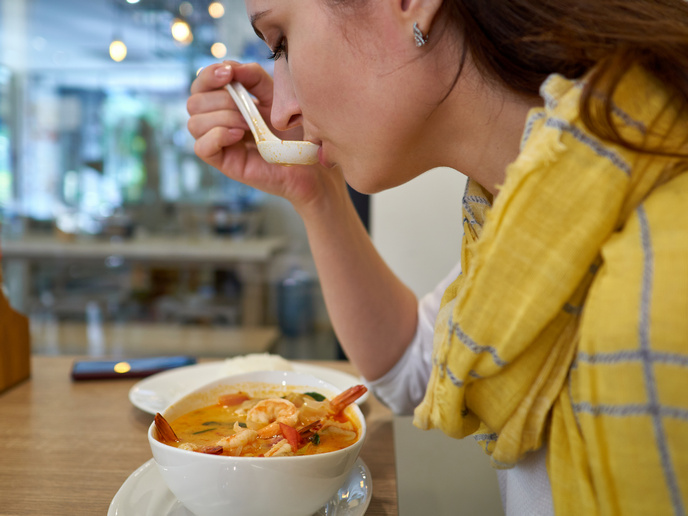
What makes us love one food and reject another? Why do some healthy products win over consumers while others never make it past the supermarket shelf? A European research project called SEASONED is taking these questions seriously – and using science to reveal how our senses guide what we eat. Funded by the EU, SEASONED is transforming the way researchers understand sensory analysis – the systematic study of how we see, smell, taste, touch and even hear food. The project is led by Professor Agnieszka Kita at the Wrocław University of Environmental and Life Sciences(opens in new window) (UPWr) in Poland. Its ambition is clear: strengthen expertise in sensory and consumer science and help create healthier, more sustainable foods that people genuinely enjoy. “The SEASONED project aims to strengthen research excellence at UPWr in the field of food sensory and consumer science,” explains Prof. Kita. “Our goal is to advance scientific knowledge and innovation capacity for developing novel, sustainable and health-promoting foods.”
Understanding how people respond to food
Sensory analysis may sound simple – who doesn’t have opinions about taste or smell? But in practice, it’s a rigorous scientific discipline. Trained panels and everyday consumers evaluate products under controlled conditions so researchers can understand exactly which sensory cues drive liking or rejection. Sight, for example, shapes expectations before a bite is taken; smell provides the first signal of flavour; taste and texture confirm whether we enjoy what’s in our mouth. Even sound matters for foods like crisps or fizzy drinks. “Sensory analysis explores how people see, smell, taste, touch and hear food – the senses that determine acceptance or rejection,” says Prof. Kita. “This knowledge helps scientists design foods that are both nutritious and enjoyable.”
Innovating healthier foods – including from waste
What makes SEASONED unique is its cross-disciplinary, international approach. Researchers in Denmark, Poland and Spain are working together to develop new food prototypes, including snacks, spreads and beverages, using local plant ingredients and food-processing by-products like fruit-juice pomace – the nutrient-rich pulp left after fruit is pressed for juice. By turning waste streams into healthy ingredients, the work being carried out reflects a growing shift toward circular, climate-friendly food systems. The project also links sensory science with consumer psychology, sustainability and advanced data analysis, allowing researchers to understand how health, taste and environmental values interact in real life.
European sensory Centre of Excellence
International partners play a central role. Through training, exchanges and joint studies with leading institutions in Denmark (SDU) and Spain (UMH and BCC), and supported by REDINN from Italy, UPWr researchers have gained world-class skills and forged long-term collaborations. These links are helping UPWr establish itself as a future Centre of Excellence in Central and Eastern Europe for sensory and consumer science. SEASONED is not just for scientists. Through public workshops, Science Cafés, hackathons and consumer panels, citizens and companies can directly engage with the research. Businesses can apply sensory insights to create products consumers truly want, while citizens learn how taste, sustainability and nutrition come together in shaping modern diets. Looking ahead, UPWr plans to create a Consumer Behaviour Centre, a regional hub where scientists, businesses and students will work together on sensory testing, consumer research and food innovation. “The centre will position UPWr as a leader in sensory science in Central and Eastern Europe,” says Prof. Kita. From healthier products to more sustainable food systems, SEASONED’s work promises lasting benefits for science, industry and society. By revealing how our senses guide our choices, the project is helping shape the foods of the future – ones that are good for both people and the planet.