Determining the immunological effects of pesticide exposure

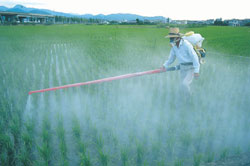
Chemical pesticides, in contrast to other substances, are deliberately dispersed into the environment, resulting in a significant part of the human population being exposed within their living and working environment. These toxic chemicals are designed to interfere with organic species and since non-target organisms can also be impacted , their ubiquitous presence in the environment can pose a significant health hazard. A clear understanding of the relationship between prolonged, low-dose exposure and immune response in humans is not available to date. Moreover, evidence that chemicals can surpress immune responses, although extensive, is considerably less well established. On the other hand, there is growing concern that alterations of the normal immune function are related to chemical substances spread in the living environment and working settings. For these reasons, the EC funded EUROPIT project aimed at studying quantitative and functional aspects of the immune system in humans exposed to potential immunotoxic chemicals during their agricultural application. Within the project, five immunotoxicity studies have been carried out, taking into account organophosphorous compounds and dithiocarbammates spread in agricultural fields. The gathered information on human exposure and immune response of agricultural workers has been evaluated and protocols have been prepared for the conduction of field studies. These include a carefully designed questionnaire to collect detailed information on the agricultural workers' immune status, guidelines and standard protocols for further laboratory analysis. Although developed for use in assessment of exposure to pesticides, these protocols can be adapted to studies addressing other environmental contaminants. Pesticides are merely representative of many environmental exposures people may encounter in agricultural fields. Overall, studying the effects of human exposures to immunotoxicant chemicals under real world conditions can add to the toxicological evidence derived from laboratory studies. The whole EUROPIT consortium has agreed on continuing their cooperation in the framework of a multidisciplinary working group addressing chemical pesticides and their potential association with human diseases.