



The Culture Collection of Baltic Algae

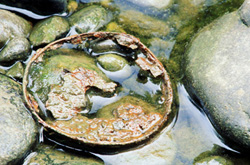
Algae have inhabited the Earth's seas since life first appeared on the planet. Algae play a number of important roles, from producing more than three quarters of all oxygen to being a source of food and energy to the treatment of wastewater. The BALTDER project established a Centre of Excellence for Baltic Development, Education and Research in the field of marine science. One of the objectives of BALTDER was to build up a comprehensive collection of algae from the Baltic Sea. Oceanographers with the University of Gdansk, located in Poland's main port city, created and maintain the Culture Collection of Baltic Algae (CCBA). The CCBA consists of approximately 40 species of green algae, diatoms and cyanobacteria, all from the Baltic region. A list of all available strains is provided at the CCBA's home on the Internet: http://pasat.ocean.univ.gda.pl/~ccba/(odnośnik otworzy się w nowym oknie). Research has been carried out by the University of Gdansk scientific team to determine how these species are affected by the sea's salinity and temperature as well as the intensity of incident sunlight. Future work will focus on isolating strains and making taxonomical studies in collaboration with other European research institutes. The CCBA is intended for use as a research and/or educational resource and has been developed in accordance with ISO and CEN standards.