Preserving Europe’s dance heritage

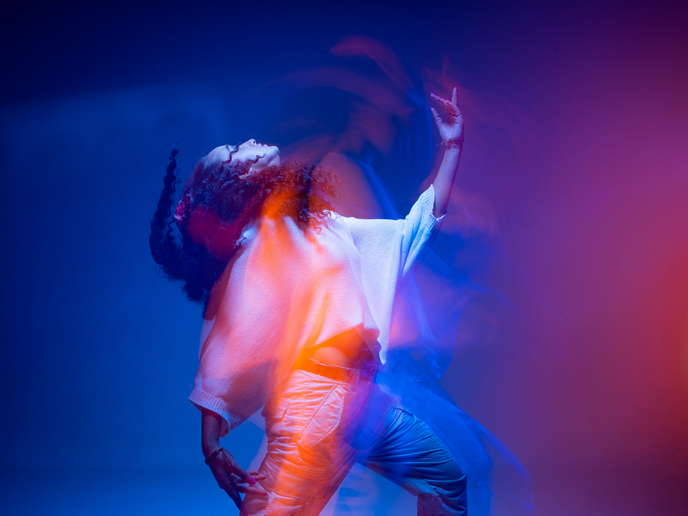
Unlike a painting hanging in a gallery or a manuscript kept in a library, dance exists primarily in the moment that it is performed. Once the curtain falls and the dancers retire, much of the choreography, technique and artistic intent risks disappearing entirely. This ephemeral nature of dance is the driving force behind the EU-funded DanceMap(opens in new window) project that was launched in early 2025 to map, safeguard and promote Europe’s hidden dance heritage.
Treating dancers as living archives
The heritage of 20th- and 21st-century dance in Europe is largely invisible and in real danger of being lost to future generations. While classical ballet often benefits from established notation systems and institutional archives, contemporary and modern dance frequently survive only in the bodies and memories of the dancers. DanceMap is striving to change this by developing a cross-sectoral approach that incorporates research, data science, artistic practice, outreach, advocacy and policymaking. Through oral histories and interviews, the project is identifying dance archives, private collections and individual knowledge holders – and capturing embodied knowledge that traditional documentation methods often miss. “That embodied memory is just as valuable as any physical document,” comments DanceMap project lead Lisa Marie Bowler of Bureau Ritter, Germany, in an article(opens in new window) published in ‘Horizon, The EU Research & Innovation Magazine’. “If someone learned a piece directly from a choreographer who is no longer alive, that knowledge lives in their body.” Another ambition of DanceMap is to secure dance’s place within the broader cultural landscape. The project aims to ensure that dance is included in Europe’s Cultural Heritage Cloud(opens in new window) as a use case for other embodied practices. This digital integration is crucial for visibility, allowing researchers, educators and the public to access a dance heritage that is currently scattered across private collections and archives. Beyond digitisation, DanceMap is also working to influence funding and policy by providing tools and research that help policymakers and funders understand the importance of dance. “Being part of Horizon Europe already changes how dance is seen,” states Bureau Ritter’s director Madeline Ritter, referring to the EU’s flagship initiative for funding research and innovation. “It signals that dance is not a niche interest, but a serious part of Europe’s cultural identity.”
Reaching out to the community
To build a comprehensive map of this heritage, the DanceMap (DanceMap: Innovation Pathways and Policies to Promote European Dance Heritage at Home and Abroad) team is inviting individuals and organisations passionate about preserving 20th- and 21st-century European dance to participate in a survey(opens in new window). It specifically targets unarchived or under-represented collections, artistic practices at risk of being lost and unusual approaches to dance heritage. Attention is also being paid to work from regions or communities that rarely appear in mainstream archives. By contributing, practitioners can help map European dance heritage, giving it visibility and ensuring that its memory continues long after the final bow. For more information, please see: DanceMap project website(opens in new window)