


Swedes stress need for research for sustainability
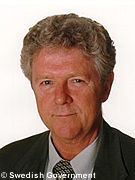
No other area depends as much on research as environmental policy, according to Swedish Minister for the environment, Kjell Larsson. Launching a high level conference on 'bridging the gap between sustainability, research and sector integration', Mr Larsson said he hoped serious discussion would help to influence decisions on key issues for future sustainability. Those attending the conference are being asked to consider the gap between research into sustainable development and the policy measures actually enforced. They will also discuss what sectors could benefit from research on sustainable development and how research can help with the development of new policy measures. The Swedish hosts, who hold the current EU Presidency, hope the conference proceedings will provide a strategic influence for the Community's Sixth Environmental action plan, the Fifth Framework programme and the Community strategy for sustainable development. Policy makers rely on research for factual information that will provide the basis for future decisions, said Larsson. 'Research is needed in order to identify problems, find solutions and constantly put these solutions and established goals to the test. In addition, it is important to reduce the time lag between research results being substantiated and political decisions being taken as much as possible.' Mr Larsson is also one of many who hold the view that the research community has a responsibility to help citizens understand environmental problems and the possibilities for the future, 'without which change cannot happen'. He also stressed the importance of a multidisciplinary approach to environmental research and criticised scientists, who, he says, did not accept this early enough: 'Environmental research would have benefited considerably had the research establishment accepted multidisciplinary research at a much earlier stage.' But, he admitted, politicians also had difficulty with 'intersectorality'. 'Environmental policy, for example, has previously been a policy area just like all the others,' said Larsson. 'Environmental considerations have not been weighed into the equation early enough to influence the planning of important sectors of society, in which environmental impact is at its most severe...Only now has the intersectoral approach - sectoral integration, sectoral responsibility - become an important part of environmental policy.' During its Presidency of the EU, Sweden has been extremely vocal on this issue, and is practising what it preaches, says Larsson: 'We fully realise the crucial role played by environmental research in national environmental policy, The same is true for international negotiation efforts.' In this context, the Commission's proposal for a new RTD Framework Programme is 'very satisfying', added Larsson, although he expressed disappointment that there is no clear connection to the sixth environmental action plan (6EAP). 'There is broad consensus among Member States concerning the priorities of the 6EAP (combating climate change, nature conservation and biodiversity, the environment and natural health and the sustainable management of natural resources and waste) and on the research needs mentioned in it. Therefore it is very important to have a clear coupling between these priorities and the [Commission's] research programme.' However, Europe's Research Commissioner, Philippe Busquin, also participating in the conference, has stressed the Commission's commitment to sustainability. 'I want to make sustainability a trademark of the European Research Area,' he announced in Stockholm. And in the Commission's proposal for the next Framework programme, sustainability is a priority for the production of knowledge and technologies, in particular in the area of transport, energy and mobility, he said. In fact, he added, European-funded research has already contributed towards sustainability goals: 'reducing water consumption and increasing water productivity in paper production; providing methods of evaluating the external costs of different fuel cycles in a reliable manner, establishing climate models and analyses to understand and react to anthropogenic climate change.' 'Working together to shorten the time between research results being unsubstantiated and political decisions being taken is a key issue for us,' Larsson concluded.
Kraje
Sweden