


Energy cooperation between EU and Russia to include research
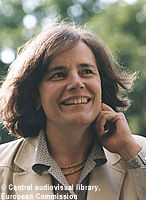
Technology transfer and the introduction of energy efficient and environmentally friendly technologies are two of the issues which top the list of measures designed to assist energy cooperation between the European Union and the Russian Federation, as the two sides meet on May 17 to hold their 'Energy dialogue'. The dialogue should bring forward a number of proposals and issues to be tackled, many of which are based in market reforms, but also some which will look to research and best practice exchange to help improve the environmental profile of energy use and also to increase energy efficiency. 'The energy dialogue is on track...areas of cooperation have been discussed in an open and pragmatic manner,' said European Commissioner for Energy and Transport, Loyola de Palacio. The move is important for both sides, as the EU's energy dependency is predicted to rise from the present rate of 50 per cent to 70 per cent in the next 20 to 30 years, and Russia estimates that it will need investment of around 670 billion euro to its energy industry in the next 20 years. The European Council in Gothenburg will also discuss the issue of sustainability in energy and will receive the recommendations of the industry and energy council, which took place in Brussels on 14 and 15 May. At that meeting, EU energy ministers adopted a resolution on the integration of environmental concerns and sustainable development in energy policy. The resolution highlighted the need to continue to focus on energy efficiency schemes, especially as there is predicted to be an increase in the consumption of fossil fuels. Energy efficiency schemes should continue to be supported, along with the promotion of renewable energy, the establishment of an emissions trading system, a pilot project of tradable green certificates and supervision of Member State energy subsidies. The conclusions of the meeting also highlighted the leading role that needs to be played by the European Commission in bringing forward these measures, along with the Member State governments, who already have the role of regulators.
Kraje
Sweden